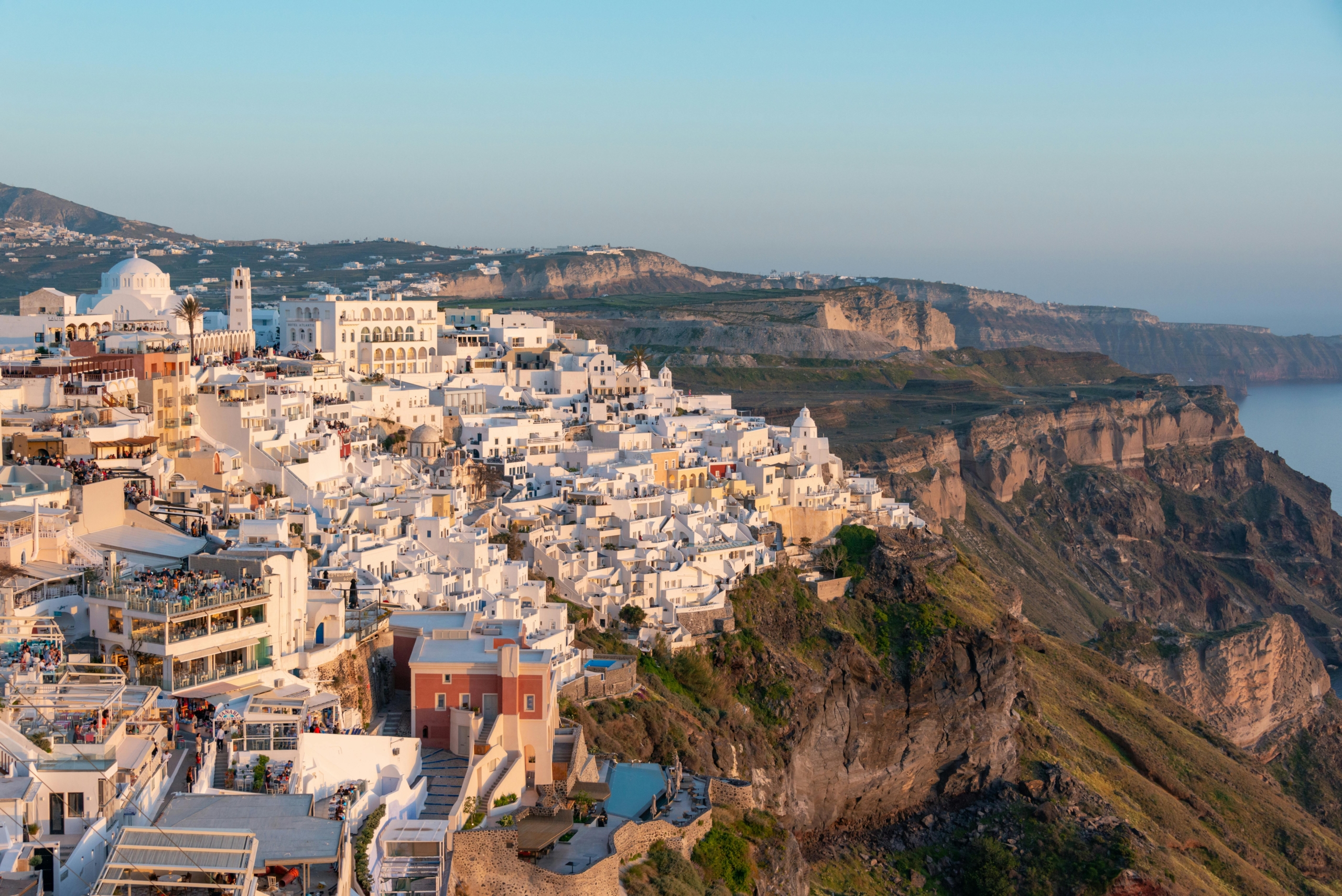
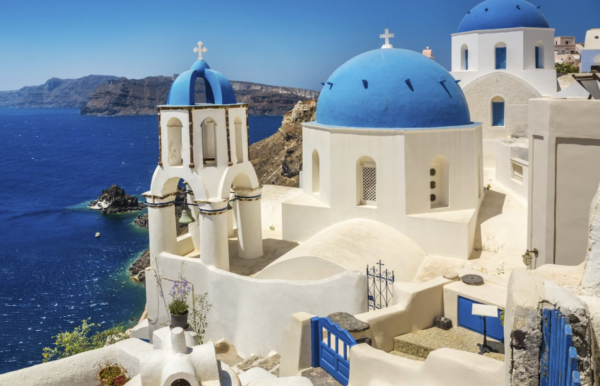
Santorini has been on travel bucket lists for years. The white houses clinging to cliffs, blue church domes, glowing sunsets, and luxury hotels overlooking the sea have made it one of the most photographed places on Earth.
But with rising prices, larger crowds, and growing concerns about overtourism, many travelers are asking a fair question: Is Santorini still worth visiting in 2026?
The honest answer is yes, but not for everyone. Santorini can be magical, unforgettable, and deeply beautiful. At the same time, it can also feel crowded, expensive, and less authentic than it once was. This guide breaks down what Santorini is really like in 2026, so you can decide if it fits your travel style.
What Makes Santorini So Unique?
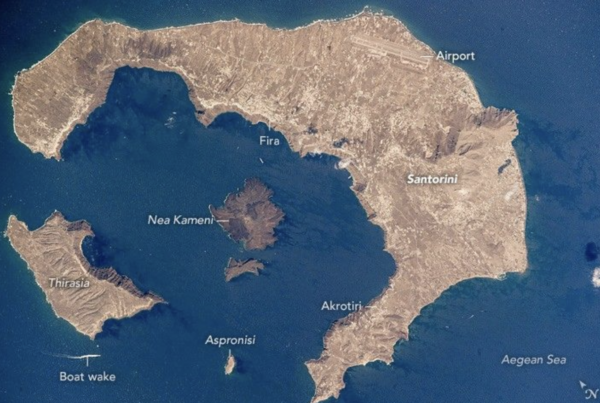
Santorini is part of the Cyclades islands in Greece, located in the southern Aegean Sea. Unlike most islands, its beauty comes from destruction. Around 1600 BC, a massive volcanic eruption collapsed the island’s center, creating the caldera we see today.
This is why towns like Oia, Fira, and Imerovigli are perched dramatically on cliff edges, overlooking a flooded volcano. Santorini is the only inhabited caldera in the world, and that alone makes it special.
The island is also often linked to the legend of Atlantis, which adds to its mystery and appeal. Whether or not you believe the myth, the landscape feels unreal in the best way.
The Views: Santorini’s Biggest Strength
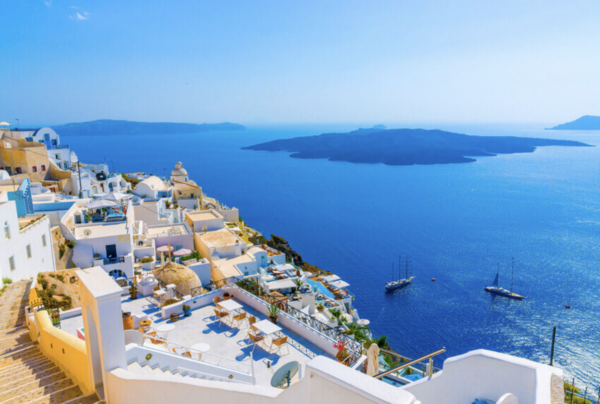
If there is one reason Santorini is still worth visiting in 2026, it’s the views.
Standing on the caldera, looking out over the sea with white houses stacked below you, is something no photo fully captures. Even after years of seeing Santorini online, the real thing still stops people in their tracks.
The views aren’t limited to one spot either. Walking through Fira, relaxing in Imerovigli, or hiking toward Oia, you’re constantly surrounded by dramatic scenery. One of the best ways to enjoy this without rushing is the Fira-to-Oia walking trail, a scenic hike that follows the caldera rim. It takes a few hours at a relaxed pace and offers some of the best views on the island.
Are the Famous Sunsets Still Worth It?
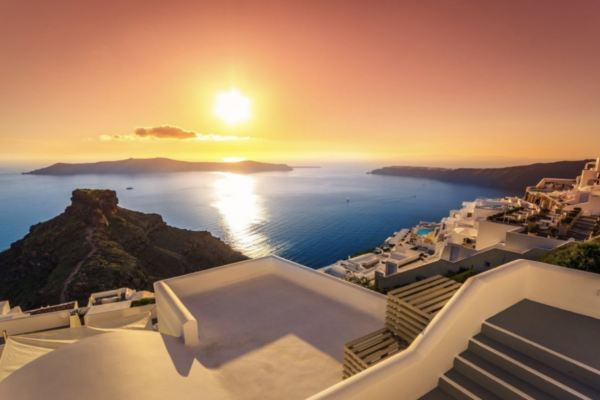
Santorini sunsets are legendary and remain stunning in 2026. The way the sky slowly shifts from gold to pink to deep purple over the Aegean Sea feels almost unreal.
That said, sunsets in places like Oia come with crowds. Cruise ship schedules, guided tours, and social media hype often lead to thousands of people gathering at the same time. In recent years, local authorities have implemented crowd-control measures, including restricted areas and one-way walking paths.
If standing shoulder-to-shoulder doesn’t sound appealing, there are better options. Watching the sunset from Imerovigli or Firostefani offers the same colors with far fewer people. Another great alternative is booking a sunset dinner along the caldera. Restaurants often offer a calmer, more comfortable way to enjoy the view, especially if you reserve in advance via platforms
Hotels in Santorini: Still Worth the Price?
Santorini is famous for its hotels, and for good reason. Cave-style rooms carved into cliffs, infinity pools overlooking the caldera, and private terraces make staying here feel special.
In 2026, many hotels have adapted to modern travel needs. You’ll find more eco-friendly stays, adults-only properties for quiet travelers, and experience-focused hotels offering wine tastings or private breakfasts with a view.
That said, staying in Oia or central Fira comes at a premium. Travelers seeking better value often choose areas such as Imerovigli, Pyrgos, or Megalochori. These places are calmer, slightly more traditional, and still offer easy access to the main sights.
Food and Wine: More Than Just Tourist Menus
The island is known for local ingredients grown in volcanic soil. Dishes featuring cherry tomatoes, fava beans, white eggplant, and fresh seafood are worth trying. While some restaurants cater heavily to tourists, others still focus on traditional Greek flavors.
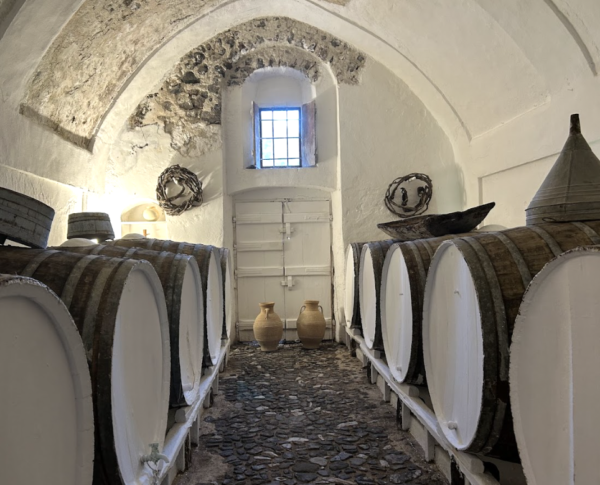
Santorini is also one of Greece’s most famous wine regions. The volcanic soil produces unique wines, especially Assyrtiko, a crisp white wine that pairs perfectly with seafood. Sweet Vinsanto wine is another local specialty.
Visiting a winery is a great way to slow down and experience a different side of the island. Popular spots like Santo Wines and Venetsanos Winery combine tastings with incredible views.
If you want help finding those spots, you can check out my full guide on where to eat in Santorini, where I share my favorite restaurants and local finds.
Santorini’s Beaches
Santorini is not a classic beach destination, and that surprises many visitors.
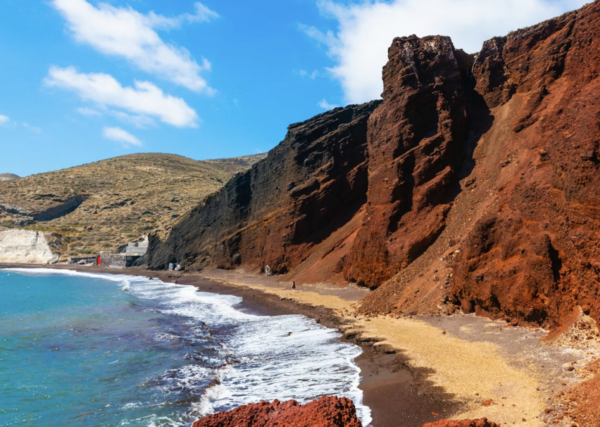
Because of its volcanic past, the beaches here are made of black sand, red pebbles, or smooth stones. Locations such as Kamari and Perissa are popular for swimming and relaxing, while Red Beach stands out for its dramatic scenery.
The water is clear and refreshing, but if you’re dreaming of soft white sand and shallow turquoise water, other Greek islands like Naxos or Paros may suit you better. Santorini’s beaches are interesting and unique, just not the main reason to visit.
Is Santorini Safe in 2026?
Santorini remains a very safe destination. Crime rates are low, and violent incidents involving tourists are rare. Most issues travelers face are minor, such as pickpocketing in crowded areas or slipping on uneven paths.
The biggest safety concern is simply being careful near the caldera edges, especially after dark or after drinking. Comfortable shoes and awareness go a long way here.
The Downsides You Should Know About
- The Crowds Are Real
Santorini is a small island, and in 2026 it will remain very busy. Cruise ships arrive daily, and areas like Oia and Fira can feel overwhelming, especially in the afternoon. Some viewpoints and photo spots are now restricted, which can be frustrating if you’re hoping for that classic Santorini shot. - It’s Expensive Compared to Other Greek Islands
Santorini remains one of the most expensive places in Greece. Hotels, food, and transport cost more than on nearby islands. You can spend less by staying outside the main towns or visiting in the shoulder season, but prices are still higher overall. - Authenticity Can Feel Limited
In the busiest areas, Santorini can feel curated for tourists rather than lived in by locals. Many shops and restaurants are visitor-focused, which can take away from the local feel. - You Have to Work Harder for Local Experiences
Authentic moments still exist, but they’re easier to find in quieter villages like Pyrgos or Megalochori, at family-run tavernas, and during early mornings or evenings when the crowds thin out.
So, Is Santorini Worth Visiting in 2026?
Santorini is still one of the most visually stunning places in the world. The views, sunsets, food, and hotels create moments you won’t easily forget. If you value scenery, romance, and unique landscapes, Santorini delivers.
However, it’s no longer a place for slow, spontaneous travel. It rewards planning and realistic expectations. If crowds and higher prices don’t bother you—or if you know how to work around them—Santorini can still be magical.
For most travelers, 3 to 4 days is the sweet spot. It’s enough time to experience the island’s beauty without feeling overwhelmed.
In the end, Santorini is worth visiting in 2026—but it’s best enjoyed thoughtfully, not rushed, and not compared to the fantasy version seen online.







Leave A Comment