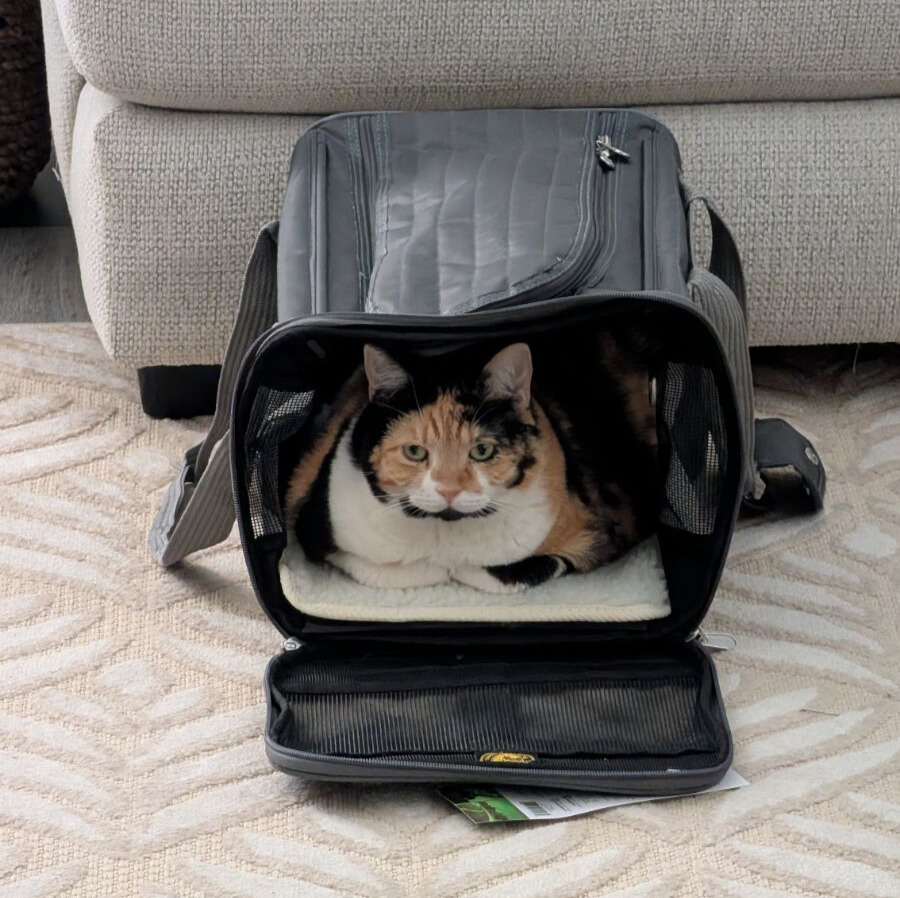
Traveling with cats can feel overwhelming, especially if you have never done it before. Cats love routine. New sounds, new smells, and moving vehicles can make even the calmest cat uneasy. Still, many cat owners travel successfully with their cats every year. With the right preparation, bringing cats on trips can be safe, manageable, and even surprisingly smooth.
This guide is for cat owners who want clear and reassuring advice. It covers tips for traveling with cats by car and by plane, how to prepare your cat ahead of time, and how to help them settle into a new place. If you are planning a short road trip or a longer journey, these practical tips for traveling with cats will help you feel confident and prepared.
Preparing Your Cat for Travel Before the Trip
Good preparation is the foundation of stress-free travel with cats. Most cats struggle with sudden change, so the goal is to make travel feel familiar long before the trip begins. Start by leaving the carrier out at home several weeks in advance. Keep the door open and place a soft blanket or towel inside. Adding a favorite toy or something that smells like you helps your cat associate the carrier with safety rather than confinement.
Short practice trips can also make a big difference. Begin by placing your cat in the carrier and sitting in the car for a few minutes. Once your cat seems calm, try short drives and gradually increase the time spent in the car. This slow exposure helps reduce fear of motion, noise, and unfamiliar sensations.
A vet visit before traveling with cats is just as important. Your veterinarian can confirm that your cat is healthy enough to travel, update vaccinations if needed, and discuss options for motion sickness or anxiety. Always follow professional advice before using any medication.
Packing the Essentials for Traveling With Cats
When bringing cats on trips, packing familiar and practical items helps maintain routine and comfort. A dedicated cat travel bag keeps everything organized and easy to reach during the journey. Bring enough of your cat’s usual food for the entire trip, plus extra, since sudden diet changes can upset their stomach.
Water is equally important. If possible, bring bottled water from home, as changes in water can sometimes cause digestive issues. Treats your cat already enjoys can also provide reassurance and positive reinforcement.
In addition to food and water, a few essentials are worth having on hand:
-
Medications and copies of medical records
-
Waste bags, paper towels, and grooming wipes
-
A familiar blanket or towel for comfort
Choosing the Right Cat Carrier for Travel
A secure and comfortable carrier is essential when traveling with cats. Your cat should be able to stand up, turn around, and lie down comfortably inside. Soft-sided carriers are often easier to carry and better suited for travel, especially when space is limited.
Ventilation is critical, particularly for longer trips. Look for a carrier with mesh panels that allow good airflow. Lining the carrier with an absorbent pad or towel helps manage accidents and keeps your cat more comfortable. For extended journeys, some cats may also benefit from a portable litter option.
Traveling With Cats by Car: What to Expect
Traveling with cats by car is usually less stressful than flying, but safety still comes first. Always secure the carrier on the back seat using a seatbelt or carrier strap. Never allow your cat to roam freely in the car, as this can be dangerous for both of you.
Keep the environment calm and predictable. Soft music can help mask road noise, and speaking in a gentle voice can reassure your cat. Avoid feeding your cat right before leaving. A light meal several hours before departure is better, as a full stomach combined with motion can cause nausea.
On long drives, stop every few hours to offer water and check on your cat. Never leave your cat alone in a parked car, even for a short time, as temperatures can change quickly and become unsafe.
Common Questions About Car Travel With Cats
Should cats be sedated for car travel?
Sedation is not recommended unless specifically prescribed by a veterinarian. Many cats travel safely without medication once they are properly acclimated.
How long can cats travel in a car?
Healthy cats can handle several hours of car travel with breaks. Comfort and hydration are key.
Do cats get motion sickness?
Some cats do experience motion sickness. Signs include drooling, vomiting, or crying. A veterinarian can recommend solutions.
Traveling With Cats by Plane: What You Need to Know
Traveling with cats by plane requires extra preparation, but many cats fly safely every day.
Start by checking airline pet policies early. Each airline has specific rules for carriers, documentation, and fees. Some airlines allow cats in the cabin, while others do not.
Schedule a vet visit close to your travel date. Health certificates are often required. Make sure vaccinations are current.
Choose a direct flight when possible. Fewer transitions mean less stress for your cat.
On the day of travel, arrive early. Security checks may require removing your cat from the carrier briefly. Use a harness and leash to prevent escape.
Avoid feeding your cat right before the flight. Offer a small meal several hours earlier and provide water as needed.
Things To Consider When Flying With A Cat
Traveling with cats by plane requires careful planning, especially when choosing the right carrier. Airline size limits can be misleading because the real challenge is under-seat height, which is often much smaller than expected on many aircraft. Even with real flying experience, a carrier labeled airline-approved may still fail if it cannot compress enough to fit under tight seats.
For successful air travel with cats, choose soft-sided, flexible carriers with good ventilation and secure closures, and always test the carrier at home before the flight. Choosing direct flights, arriving early, and minimizing stress during boarding can make a big difference. For a deeper, experience-based breakdown of which carriers actually fit under airline seats and why compressibility matters more than dimensions, read our full guide here.
- Check airline pet rules and required documents early
- Use a soft, compressible carrier with strong ventilation
- Prioritize height clearance over listed dimensions
- Avoid feeding your cat right before the flight
- Choose direct flights whenever possible
Helping Cats Adjust to a New Place
Once you arrive, your job is not over. Helping cats adjust to new places is a crucial part of traveling with cats.
Start by setting up a small, quiet area. Place the carrier, food, water, and litter box in one room. Let your cat explore at their own pace.
Do not force interaction. Some cats hide at first. This is normal. Sit quietly nearby and let them come to you.
Maintain familiar routines as much as possible. Feed your cat at the usual times. Use the same food and bowls.
Give your cat time. Some cats adjust within hours, while others need a few days. Patience is key.
Tips for Making Future Trips Easier
- The more positive experiences your cat has with travel, the easier it becomes.
- Practice carrier time even when you are not traveling. Take short car rides occasionally.
- Reward calm behavior with praise and treats.
- Keep travel routines consistent. Familiar patterns reduce anxiety.
- Over time, many cats learn that travel does not always mean something bad.
Final Thoughts on Traveling With Cats
Traveling with cats takes planning, patience, and empathy. Cats are creatures of habit, but they are also adaptable when supported properly. With thoughtful preparation, the right supplies, and a calm approach, bringing cats on trips can be far less stressful than you might expect.
The key takeaways are simple. Prepare early. Use a secure carrier. Pack familiar items. Respect your cat’s pace. Whether you are traveling with cats by car or by plane, your calm presence and careful planning make all the difference.
With these tips for traveling with cats, you can focus less on worry and more on enjoying the journey together.
As always, my thoughts and opinions are my own.
Angie xoxo












Leave A Comment