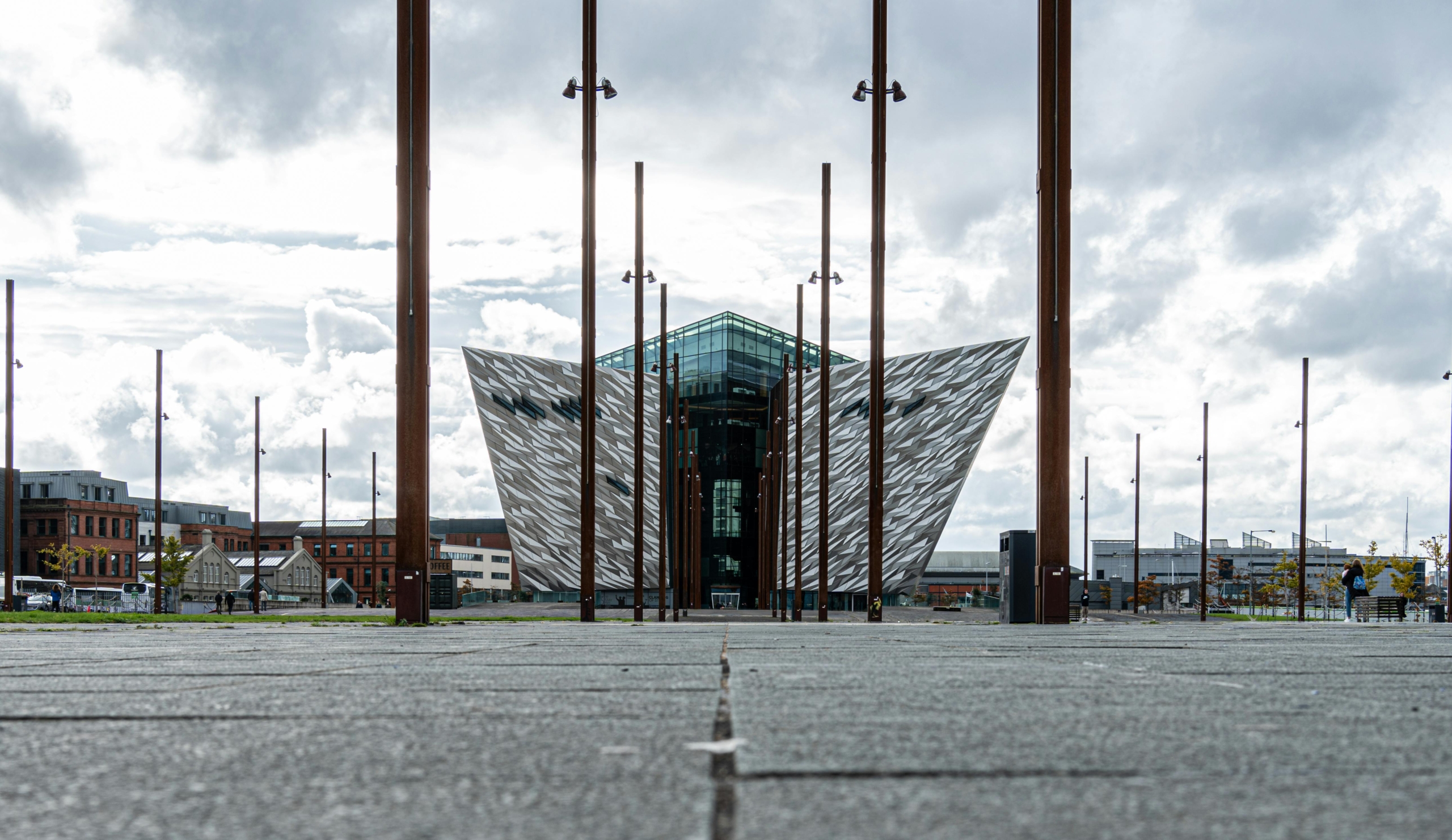
Titanic Belfast is one of the most powerful and emotional museum experiences in the United Kingdom. Located in the city where the Titanic was built, it tells the full story of the famous ship—from its design and construction to its tragic sinking on its first voyage.
Many visitors almost skip it due to tight travel schedules or lack of interest in maritime history. However, those who enter the museum often leave deeply moved. The experience is not just about facts and dates. It is about people, their dreams, their lives, and their final moments connected to one of the most well-known ships in history.
Arrival and First Impressions of the Museum
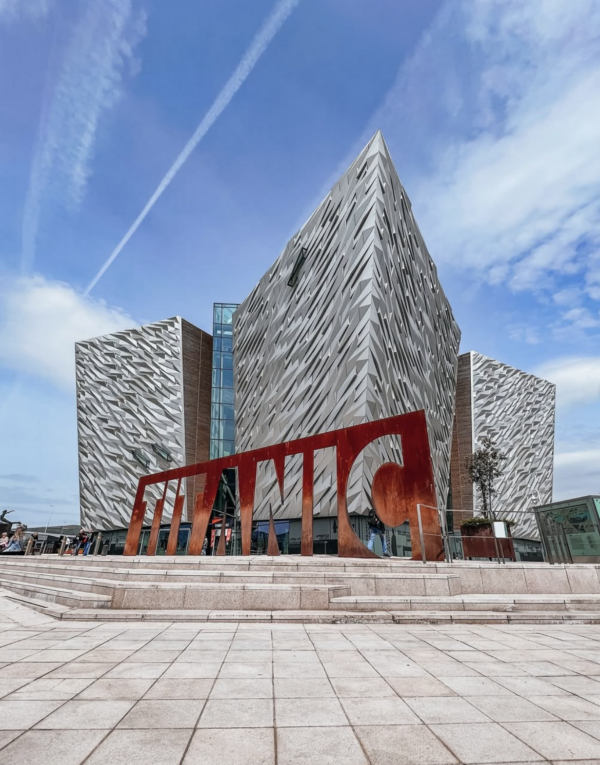
The museum building itself is the first striking feature. Its design is inspired by the shape of ship hulls and icebergs, with sharp, angular silver panels reflecting light from different directions. It stands in the Titanic Quarter, close to the original shipyard where the Titanic was constructed.
Inside, the space feels modern, open, and carefully organized. Visitors begin their journey in a calm, structured way, moving through clearly marked areas. The atmosphere is quiet but full of anticipation. Even before the exhibition starts, the design of the building already sets the emotional tone.
The entrance area introduces the idea that this is not a typical museum. It prepares visitors for a journey that will move through time, memory, and human stories.
The Shipyard Experience and Early Construction
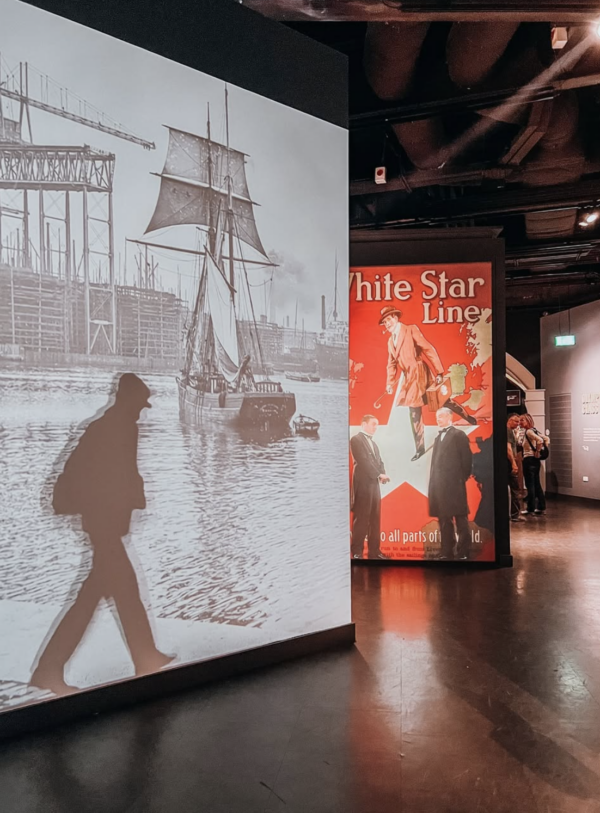
One of the most memorable parts of the museum is the recreation of the Harland & Wolff shipyard. This section shows how the Titanic was built in Belfast during the early 1900s.
The environment is immersive, with sounds of metal, machinery, and workers echoing through the space. Large structures and projections show the massive scale of construction. Visitors learn how thousands of workers contributed to building what was then one of the largest ships in the world.
This section highlights the effort, skill, and ambition behind the Titanic’s creation. It also shows the industrial life of Belfast during that time. Workers’ conditions, tools, and daily routines are presented in a simple but powerful way.
The focus is not only on the ship itself but also on the people who physically built it. This makes the story feel grounded and real rather than distant history.
Stories of Workers and Passengers
A key emotional part of the museum experience is the introduction of real individuals connected to the Titanic. These include shipbuilders, engineers, passengers, and crew members.
At the beginning of the tour, selected individuals are introduced with basic personal details such as their job, interests, and family background. As the tour continues, more information about these people appears in different sections of the museum.
This storytelling method creates a strong emotional connection. Visitors begin to remember names and recognize faces throughout the exhibition. It becomes more than a general history lesson. It becomes a collection of human lives.
The stories include both first-class passengers and working-class crew members. This balance shows that the tragedy affected people from all walks of life. As visitors continue through the museum, there is a growing sense of attachment to these individuals and curiosity about their fate.
Life Onboard the Titanic
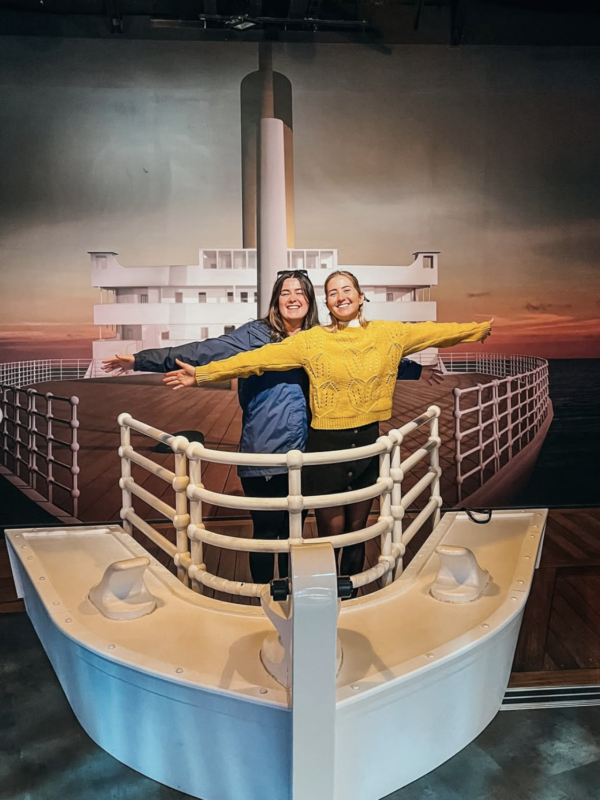
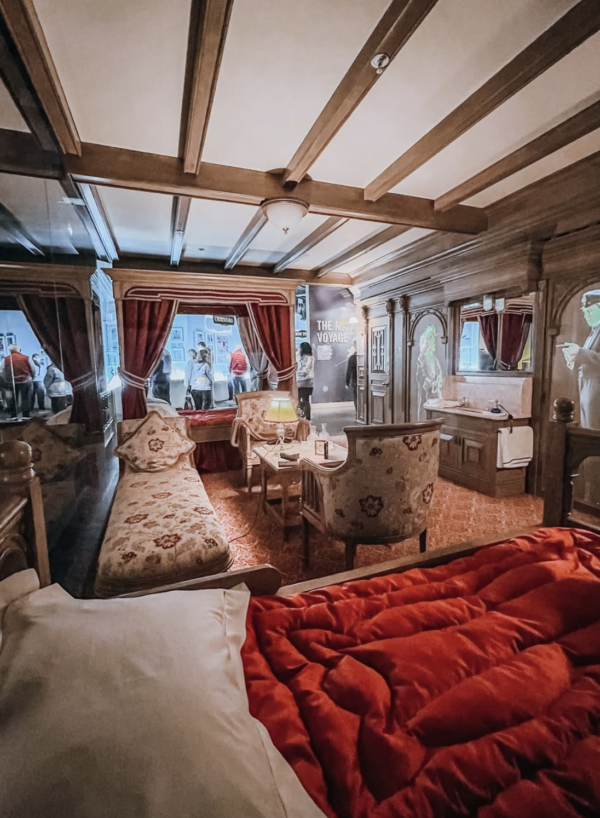
Another important section focuses on what life was like aboard the Titanic during its short journey. This includes detailed recreations of different areas of the ship such as cabins, dining halls, and recreational spaces.
The contrast between first-class luxury and third-class simplicity is clearly shown. First-class areas are designed with elegance and comfort, while lower-class sections are more modest but still functional.
Audio-visual displays help visitors imagine daily life on the ship. There are sounds of conversations, music, and ocean waves, creating a realistic atmosphere. Information panels explain how passengers spent their time, what they ate, and how the ship was organized.
This section helps visitors understand the scale of the Titanic not just as a vessel, but as a floating community. It shows how many lives were temporarily brought together during its journey.
The Final Night and Aftermath
The most emotional part of the museum focuses on the Titanic’s final night. This section presents the events leading up to the collision with the iceberg and the chaos that followed.
The storytelling becomes more serious and quiet. Lights, sounds, and visuals are used carefully to reflect the mood. One of the most powerful elements is the display of the Titanic’s final messages sent by wireless operators. These messages show growing urgency and confusion as the situation worsened.
Personal stories of passengers and crew are revisited here. Visitors learn what happened to individuals they were introduced to earlier in the museum. This connection makes the experience deeply emotional.
The section also explains the aftermath of the disaster, including rescue efforts and the impact on families around the world. It highlights how the Titanic changed maritime safety rules and left a lasting legacy in history.

Final Thoughts
The Titanic Belfast museum is more than a historical exhibition. It is a carefully designed emotional journey that connects visitors to real human stories. From the construction of the ship to its tragic end, every section is built to inform and move people at the same time.
Even those who arrive with little interest in the Titanic often leave with a strong impression. The combination of storytelling, design, and historical detail makes it one of the most memorable museum experiences in the world. For anyone visiting Belfast, this is not just another attraction. It is an experience that stays in memory long after the visit ends.
For more travel guides, detailed itineraries, and immersive destination stories, read more of our blogs here and explore more in-depth travel content.









Leave A Comment