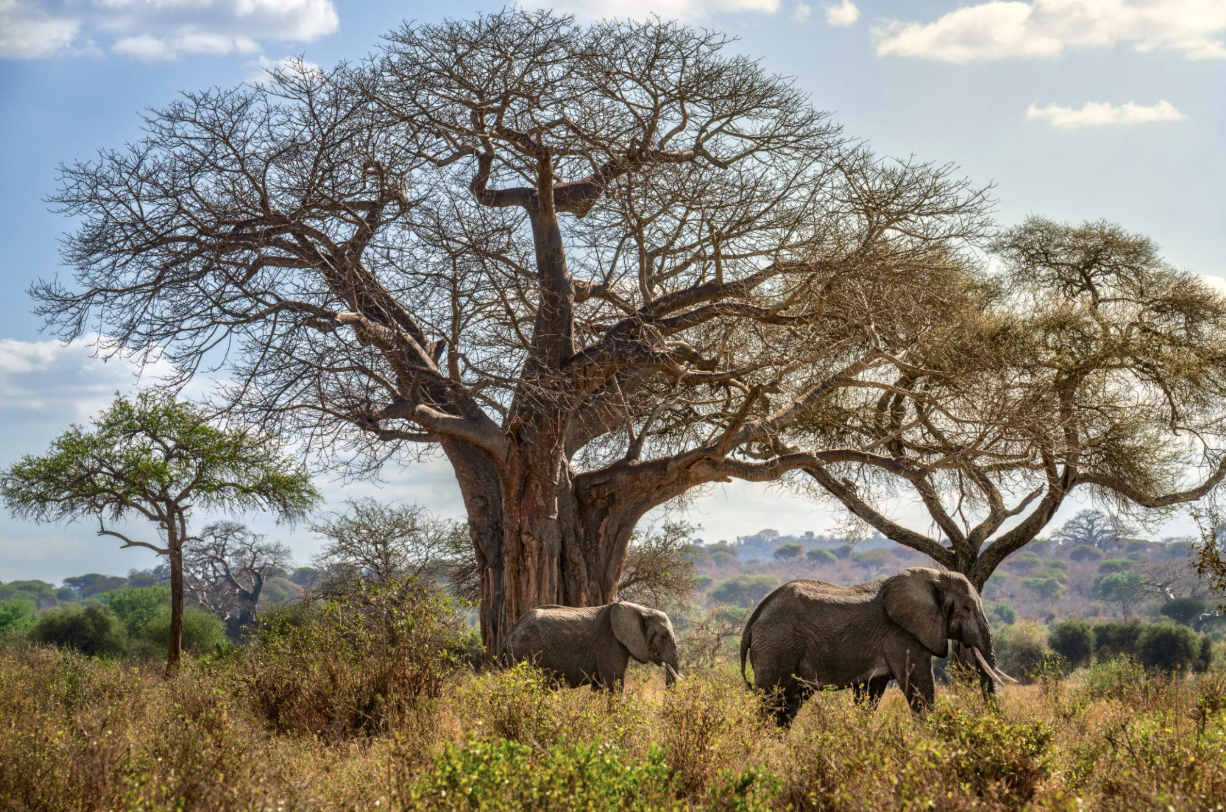
A safari in Tanzania is one of those trips that stays with people forever. From massive elephant herds crossing dusty roads to lions resting under acacia trees, every day feels different. The landscapes constantly change too, open plains in the Serengeti, lush forests near Lake Manyara, volcanic scenery inside Ngorongoro Crater, and giant baobab trees in Tarangire.
Over two weeks, this safari journey covered four of Tanzania’s most famous national parks: Tarangire National Park, Lake Manyara National Park, Ngorongoro Crater, and Serengeti National Park. Along the way came unforgettable wildlife sightings, a hot air balloon ride over the Serengeti, and nights spent glamping in the middle of the wilderness while hyenas called outside the tent.
For travelers planning a safari in Tanzania, here’s what to expect, where to go, and what made each park special.
Why Tanzania Is One of the Best Safari Destinations in Africa
Tanzania is home to some of the most famous wildlife areas in the world. It offers a mix of huge national parks, incredible biodiversity, and opportunities to see animals in their natural habitat without fences or artificial environments.
One of the biggest highlights is the chance to see the Big Five:
- Lions
- Elephants
- Leopards
- Rhinos
- African buffalo
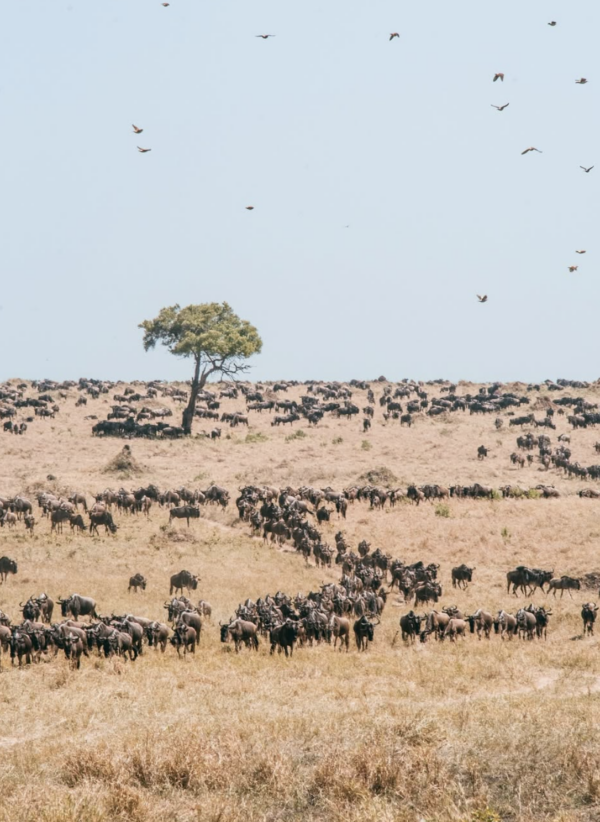
Depending on the season, travelers may also witness the Great Migration, where massive groups of wildebeest and zebras move across the plains searching for fresh grass and water. During migration periods, it is common to see hundreds or even thousands of animals gathered together.
Safari drives in Tanzania often feel raw and unpredictable. One moment the road is empty, and the next there may be elephants walking directly beside the vehicle or a pride of lions resting just meters away.
Tarangire National Park: Tanzania’s Elephant Paradise
The safari started in Tarangire National Park, a park known for its enormous elephant population and iconic baobab trees.
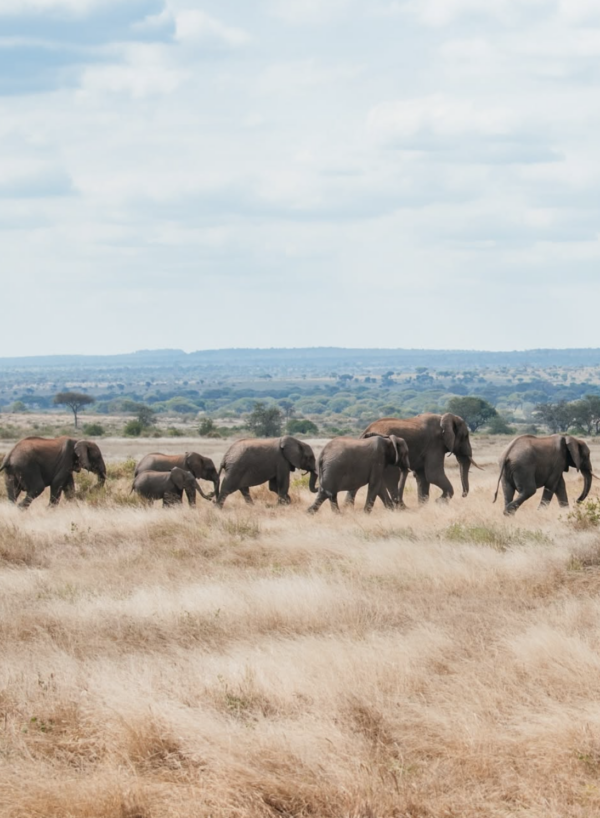
Compared to Serengeti, Tarangire feels quieter and less crowded, which makes wildlife encounters feel even more personal. Large elephant herds roam freely across the park, often crossing roads directly in front of safari vehicles.
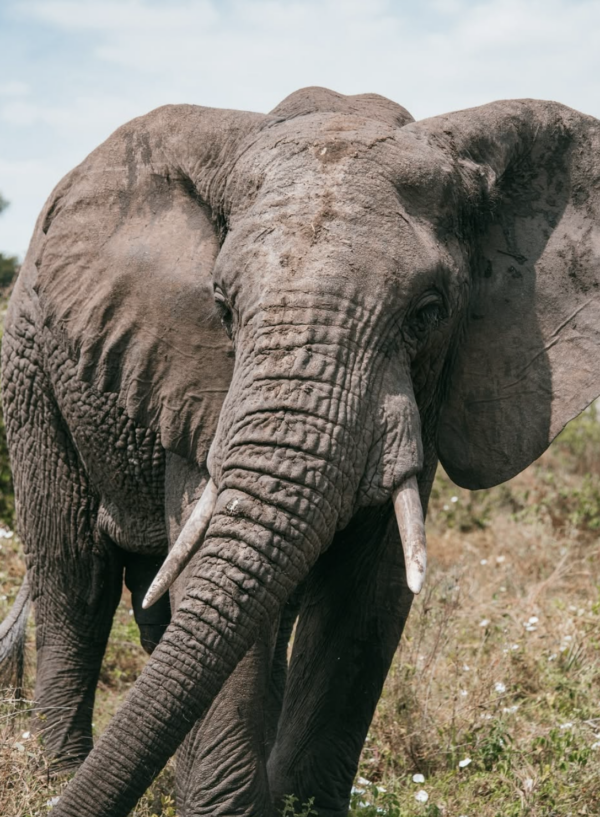
One of the most memorable parts of Tarangire is how close the animals can get. Elephants sometimes walk just beside the jeep, calmly moving through the bush while continuing to feed.
Aside from elephants, Tarangire is also home to giraffes, zebras, wildebeest, lions, warthogs, ostriches, and various antelope species
The park’s scenery stands out because of the massive baobab trees scattered across the dry landscape. These trees can live for thousands of years and create one of the most recognizable safari views in Tanzania.
Travelers visiting during migration season may also see huge groups of wildebeest and zebras moving through the park.
Lake Manyara National Park: A Smaller but Scenic Safari Stop
Next came Lake Manyara National Park, a smaller but incredibly scenic park located near the Great Rift Valley escarpment.
Lake Manyara is famous for its diverse environment. Within a single game drive, the scenery can shift from thick forest to open grassland and then to the lakeshore filled with birds.
One of the park’s biggest attractions is its tree-climbing lions, although sightings are never guaranteed. Even without seeing them, the park still offers plenty of wildlife and beautiful landscapes.
The lake itself attracts large numbers of birds, including flamingos during certain seasons. Monkeys are also extremely common near the forested areas, and baboons are often seen along the roadside.
Because the park is smaller, it is usually explored in a shorter game drive compared to Serengeti or Tarangire. Still, it makes a great addition to a northern Tanzania safari circuit.
Ngorongoro Crater: One of the Most Unique Safari Experiences in the World
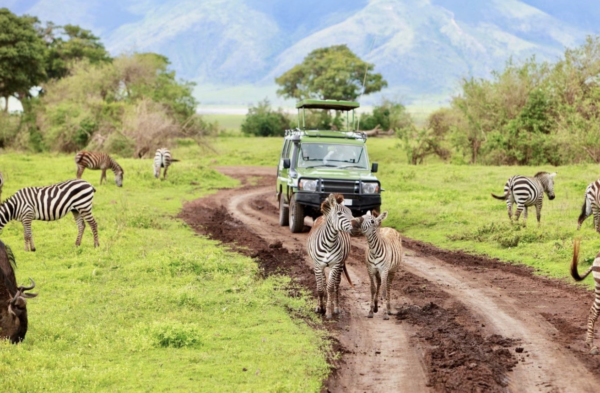
Few safari destinations look as dramatic as Ngorongoro Crater. The crater is actually a massive volcanic caldera filled with wildlife. Driving down into it feels like entering another world. Animals roam freely across the crater floor surrounded by steep green walls.
Ngorongoro is one of the best places in Tanzania to spot rhinos, which are much harder to find in other parks. Wildlife density is also extremely high, meaning there is almost always something to see.
During a typical game drive, travelers may encounter:
- Lions resting in the grass
- Buffalo crossing the road
- Hippos cooling off in pools
- Zebras grazing nearby
- Hyenas wandering across the plains
The scenery alone makes the visit worth it. The crater combines forests, lakes, wetlands, and open savannah all in one area.
Because the ecosystem is relatively enclosed, animals stay within the crater year-round, making wildlife sightings more reliable compared to some other safari destinations.
Serengeti National Park: The Ultimate Safari Destination
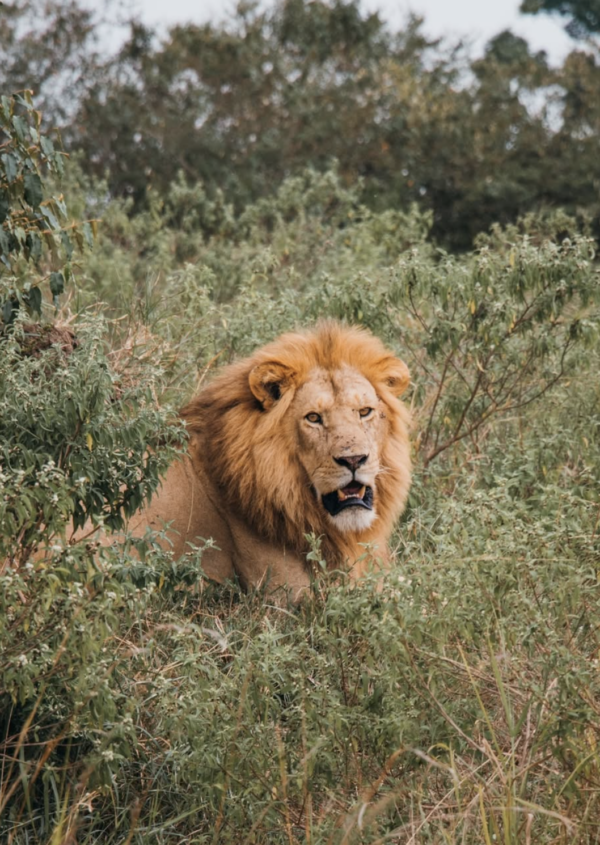
The highlight of the trip was undoubtedly Serengeti National Park. The Serengeti is massive, stretching endlessly with golden plains that seem to go on forever. It is one of the most famous safari destinations on Earth for a reason.
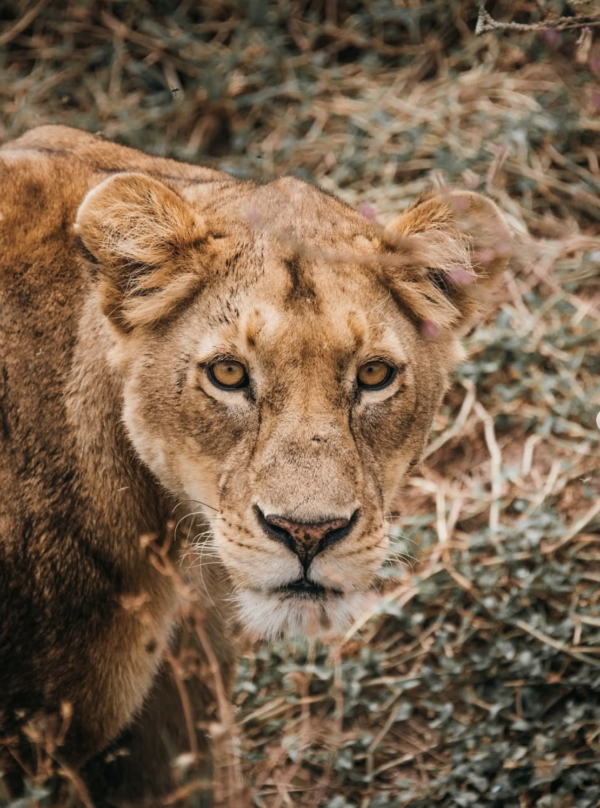
Wildlife sightings here felt nonstop. Lions lounged under trees, giraffes walked gracefully across the horizon, and elephants moved through the grasslands in huge groups.
One of the most unforgettable experiences was witnessing the wildebeest migration. Seeing hundreds or even thousands of wildebeest together at once is difficult to describe. The movement, noise, and sheer scale of the migration make it feel surreal.
Elephant migration sightings were equally impressive. Entire herds traveled together across the plains, including young calves walking beside older elephants. The Serengeti is also one of the best places to spot predators. Lions are commonly seen, and lucky visitors may also encounter leopards resting in trees or cheetahs scanning the grasslands for prey.
Game drives here often start early in the morning when animals are most active. Sunrise safaris are especially beautiful, with golden light covering the plains.
The Hot Air Balloon Safari Over the Serengeti
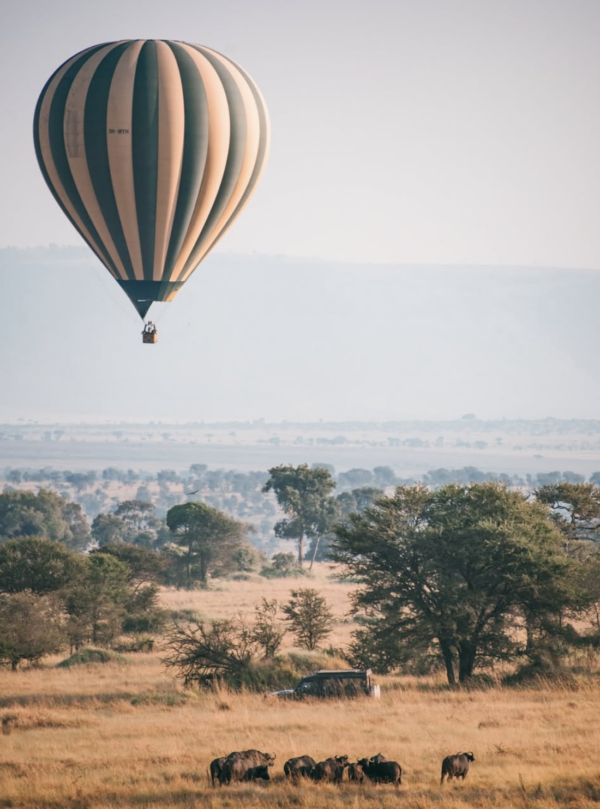
One of the most unforgettable parts of the journey was taking a hot air balloon safari over the Serengeti.
Floating above the plains at sunrise offers a completely different perspective compared to a normal game drive. From above, travelers can watch herds of wildebeest, zebras, and elephants moving across the landscape while the sun rises over the horizon.
The experience usually starts very early in the morning before sunrise. After takeoff, the balloon drifts quietly over the savannah for about an hour depending on weather conditions.
Unlike a jeep safari, the balloon ride feels peaceful and almost unreal. Watching wildlife from the sky while the Serengeti slowly wakes up below is something many travelers consider a once-in-a-lifetime experience.
Although it is expensive, many visitors say it becomes one of the highlights of their Tanzania trip.
Glamping in the Middle of the National Parks
Another major highlight was staying in luxury tented camps inside the parks. Glamping in Tanzania combines the feeling of camping with the comfort of a lodge. The tents often include real beds, private bathrooms, and dining areas while still keeping guests close to nature.
At night, the sounds outside become part of the experience. Hyenas can sometimes be heard laughing in the distance, while other animal noises echo through the darkness.
For many travelers, this is what makes a safari feel truly immersive. Instead of staying in a city hotel far away from the parks, the experience continues even after the game drives end.
Best Time to Visit Tanzania for Safari
The best safari season depends on what travelers want to see.
June to October (Dry Season)
- Best overall wildlife viewing
- Easier to spot animals due to less vegetation
- Cooler temperatures
- Peak tourist season
January to March
- Calving season for wildebeest
- Excellent predator sightings
- Fewer crowds compared to peak months
Migration Timing
The wildebeest migration changes location throughout the year, so timing matters if seeing it is a priority.
Travelers should check migration patterns before booking since the herds move continuously.
Useful Tips for Planning a Tanzania Safari
Bring Neutral-Colored Clothing
Beige, green, brown, and khaki work best. Bright colors can attract attention and stand out in nature.
Prepare for Dust
Safari roads can get extremely dusty, especially during dry season. A scarf or buff helps a lot during long drives.
Don’t Expect Constant Internet
Many camps have limited Wi-Fi, especially in remote parts of Serengeti.
Pack Layers
Mornings during safari drives can be cold, while afternoons become very hot.
Use Binoculars
They make a huge difference for spotting distant animals and birds.
Choose Longer Safaris If Possible
Each park offers something different. Spending more days increases chances for better wildlife sightings and more relaxed game drives.
Final Thoughts on a Tanzania Safari
A safari in Tanzania is more than just a vacation. It is one of the few travel experiences where nature completely takes over the day. From watching elephant herds move across Tarangire to seeing thousands of wildebeest in the Serengeti, every park offers something unique. Ngorongoro Crater delivers incredible wildlife density, while Lake Manyara adds lush scenery and variety.
The combination of game drives, luxury tented camps, migration sightings, and a hot air balloon safari creates a trip that feels adventurous from beginning to end. For travelers considering an African safari, Tanzania remains one of the best places in the world to experience wildlife in its natural habitat.
For more travel guides, safari itineraries, and destination blogs, readers can explore more adventures on our blogs here.

Leave A Comment