The Big Island of Hawaii is the kind of destination where no two days feel the same. It’s bigger than all the other Hawaiian islands combined, which means more space to explore, and longer drives if you don’t plan well.
What makes it special isn’t just the variety, but how raw everything feels. You’ll go from rainforests to lava fields, from black sand beaches to high-altitude mountains, all in one trip. This guide breaks down the best things to do across the island.
Hilo: Waterfalls and Rainforest Views
Most people land on the Kona side, but if you can, spend time in Hilo. It’s greener, quieter, and feels more local.
Akaka Falls State Park
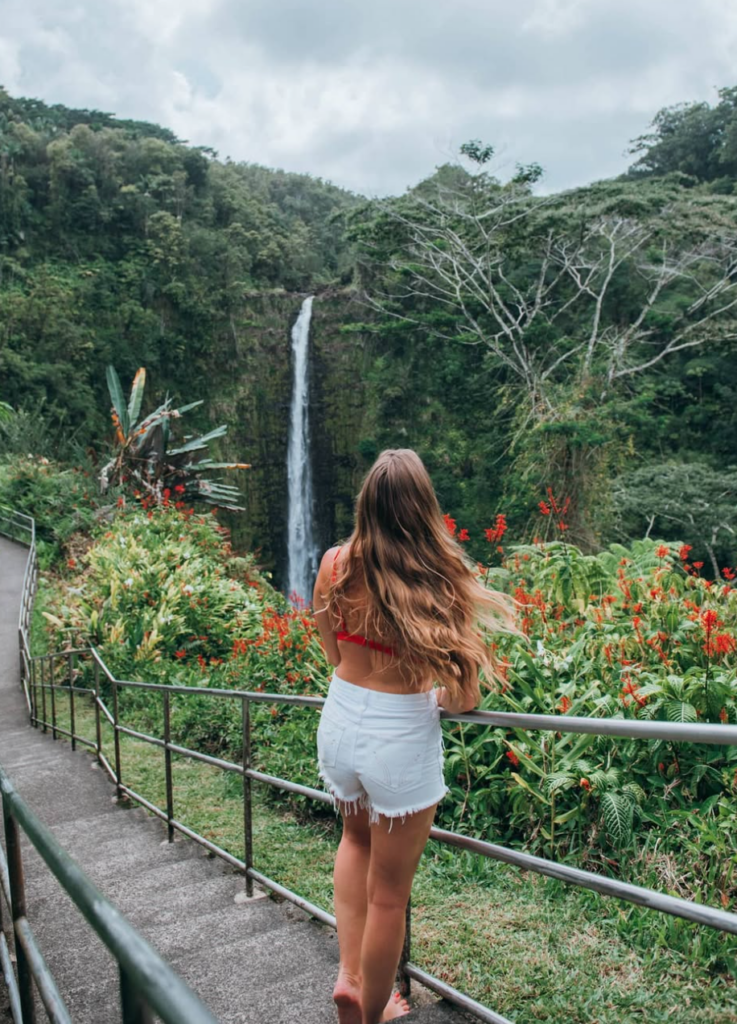
Akaka Falls State Park is one of the easiest stops you can make, but it doesn’t feel basic. The short loop trail (about 0.4 miles) takes you through thick rainforest—bamboo groves, wild orchids, and dripping greenery—before opening up to a dramatic 442-foot waterfall. It’s the kind of place where you don’t need to plan much. Park, walk, and you’re rewarded almost immediately.
Rainbow Falls
Closer to town, Rainbow Falls is a quick visit that’s still worth it. Go early in the morning when the sun hits the mist just right—you’ll often see a rainbow forming at the base. There’s also a short path leading above the falls where you can see the river before it drops.
Kulaniapia Falls
For something more low-key, Kulaniapia Falls feels more private. It’s located on a property that offers stays and tours, so it’s less crowded than the public waterfalls. If you want a quiet swim or just a peaceful setting, this is a good option.
Snorkeling and Ocean Adventures on the Kona Side
The west coast near Kailua-Kona is known for sunny weather and clear water. This is where you’ll want to base yourself for ocean activities.
Two Step (Best Overall Snorkeling Spot)
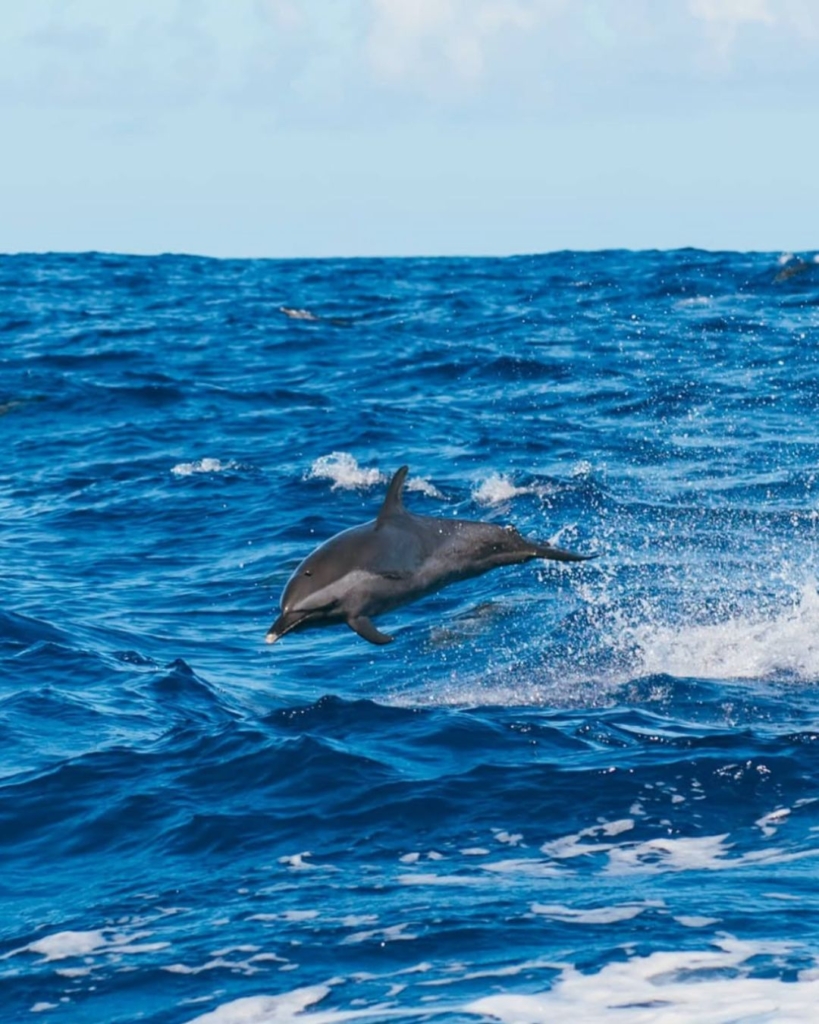
Two Step is one of the easiest and most rewarding places to snorkel. There’s no sandy entry—you literally step down into the water from lava rock ledges. Once you’re in, visibility is excellent. You’ll see coral reefs, colorful fish, and sometimes spinner dolphins swimming nearby in the morning.
Tip: Go early. It gets crowded, and parking is limited.
Captain Cook Monument (Kealakekua Bay)
Captain Cook Monument is one of the most protected marine areas on the island.
You can:
- Kayak across the bay
- Hike down (steep but doable)
- Join a boat tour
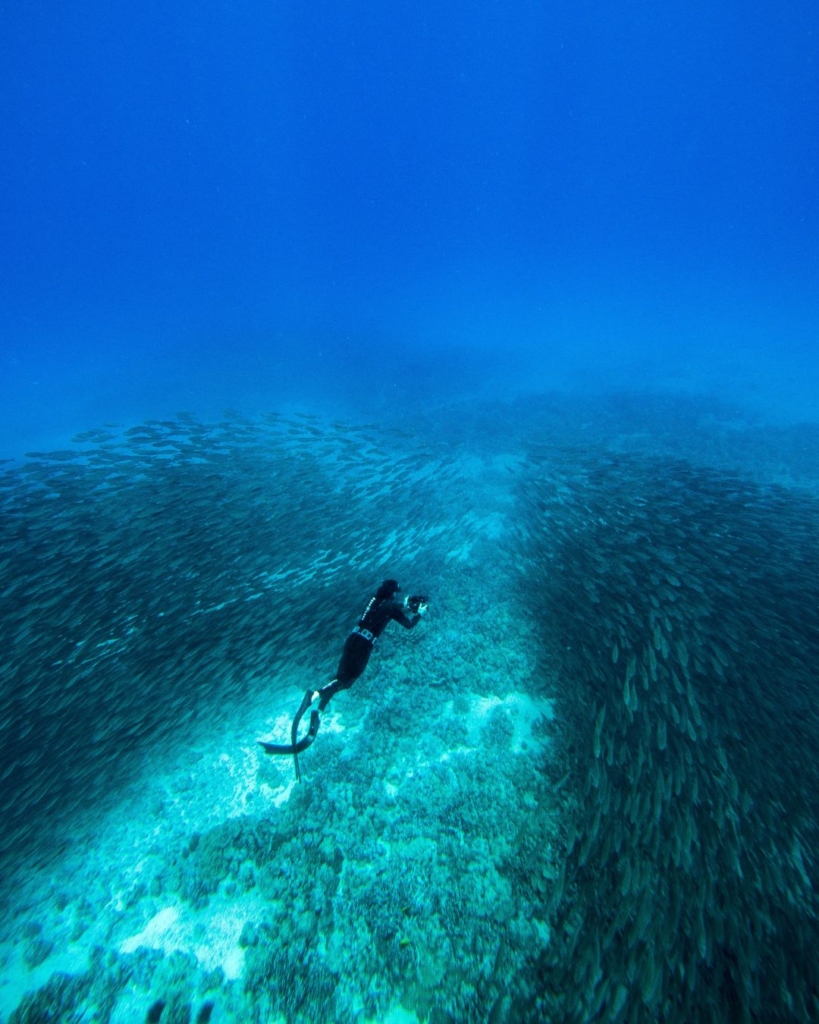
The water here is calm and packed with marine life. If you’re only choosing one “premium” snorkeling experience, this is it.
If you want to go on a snorkel tour, check out See Through Sea and Wild Hawaii Ocean Adventures. I’ve gone on multiple tours with both companies and always had a great time.
Manta Ray Night Snorkel (Don’t Skip This)
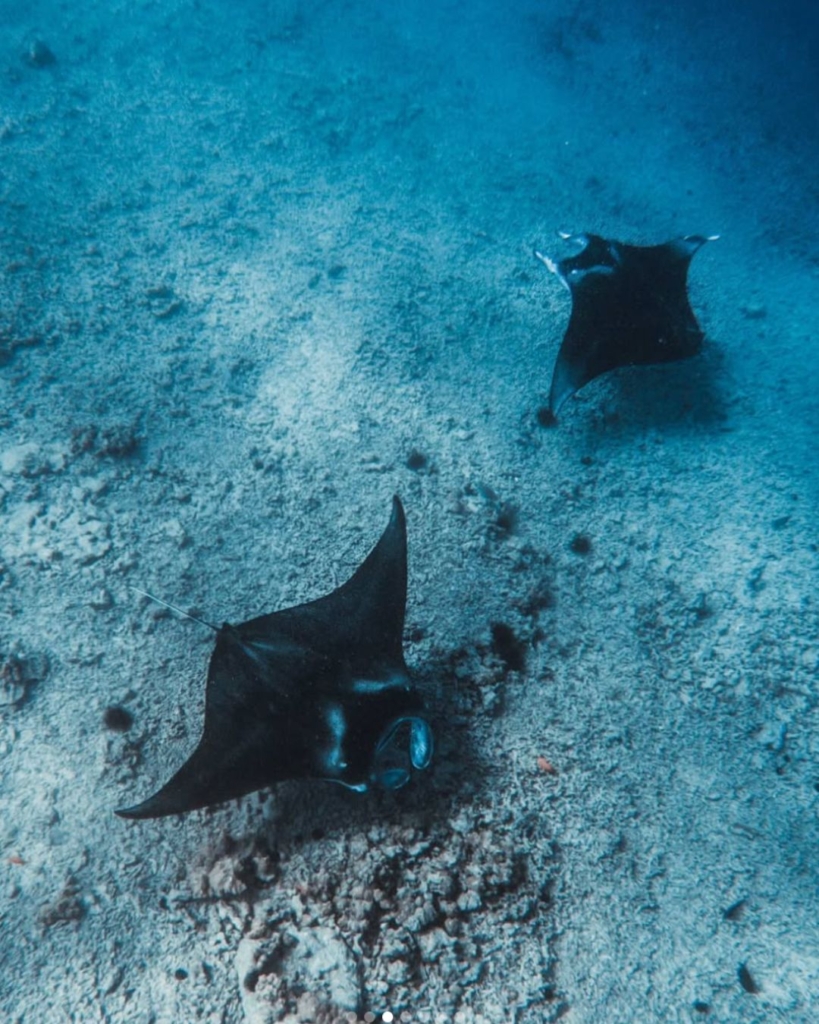
There are over 240 resident Manta Rays on the Hawaiian Kona Coast, and each has been identified and named. These gentle giants can grow up to 16 feet in length and weigh up to 1600 pounds. However, before you start to fret, they can’t bite or sting, which makes them the safest large animal encounter in the world!
Swimming at night with 16-foot-wide manta rays might still seem daunting, but it is the experience of a lifetime! I booked a $ 100-night diving/snorkeling tour with Manta Ray Dives of Hawaii through HawaiianDiscount.com, and it was amazing!
We boated to Makako Bay (off the coast of the Sheraton Keauhou Bay Hotel), where Manta Rays come to feed on the phytoplankton & zooplankton that appear when soaking up the glow given off by underwater dive lights and lights of the Sheraton Hotel. Once you’re in the water (which is about 30-40 feet deep), snorkelers will hold onto a surfboard as a group and wait for these magical creatures to appear. Since Manta Rays are wild animals, seeing them is not a guarantee. Luckily, we saw four during our tour, and they put on quite the show.
Explore Hawaii Volcanoes National Park
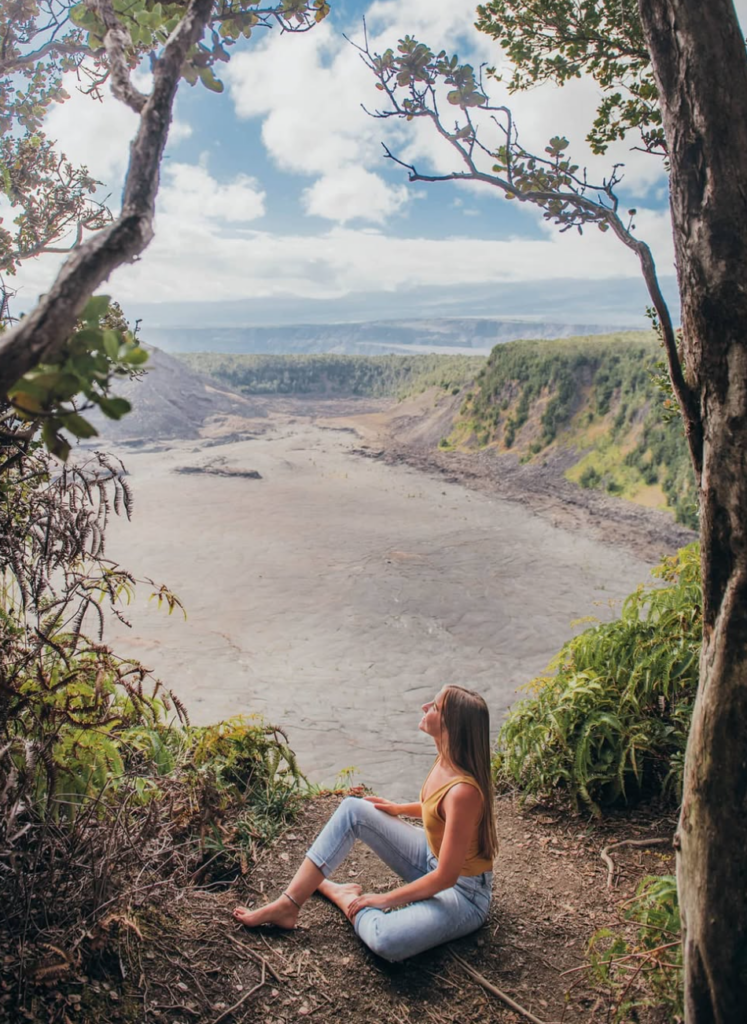
Hawaii Volcanoes National Park is one of the most important stops on the Big Island. This is where you see how Hawaii was formed, not just in theory, but right in front of you. You’re walking across hardened lava, standing near active craters, and driving through landscapes that were shaped by eruptions both recent and ancient.
The star attraction is Kilauea, where you can view the crater from several viewpoints. Depending on activity, you might see steam rising—or even a faint lava glow at night.
Other key stops include:
- Steam vents and sulfur banks
- Crater Rim Drive viewpoints
- The Chain of Craters Road, which passes lava fields all the way to the coast
Even without active lava, the landscape feels raw and otherworldly, with wide stretches of black rock shaped by past eruptions.
Walk Through a Lava Tube at Kaumana Caves
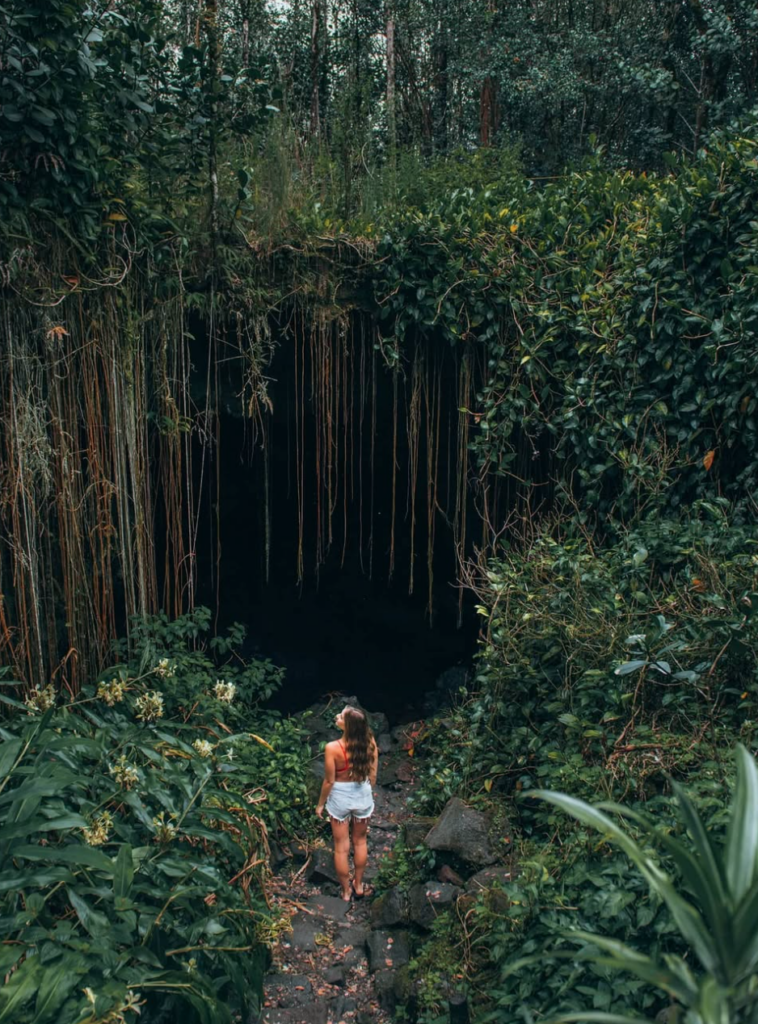
While many visitors go to the Thurston Lava Tube, it’s sometimes closed. A great alternative is Kaumana Caves.
This 25 mile long lava tube was formed during an 1881 eruption from Mauna Loa. You’ll climb down a staircase and enter a dark, cool tunnel carved by flowing lava.
Important tips:
- Bring a flashlight (a real one, not just your phone)
- Wear sturdy shoes
- Don’t go too far—you’re not allowed to explore the whole lava tube because it travels underneath the private property, you can descend to the entrance of the cave and a few hundred feet or so inside.
It’s free, less crowded, and feels more adventurous than the typical tourist stop.
Pololu Valley: Quick Hike, Big Views
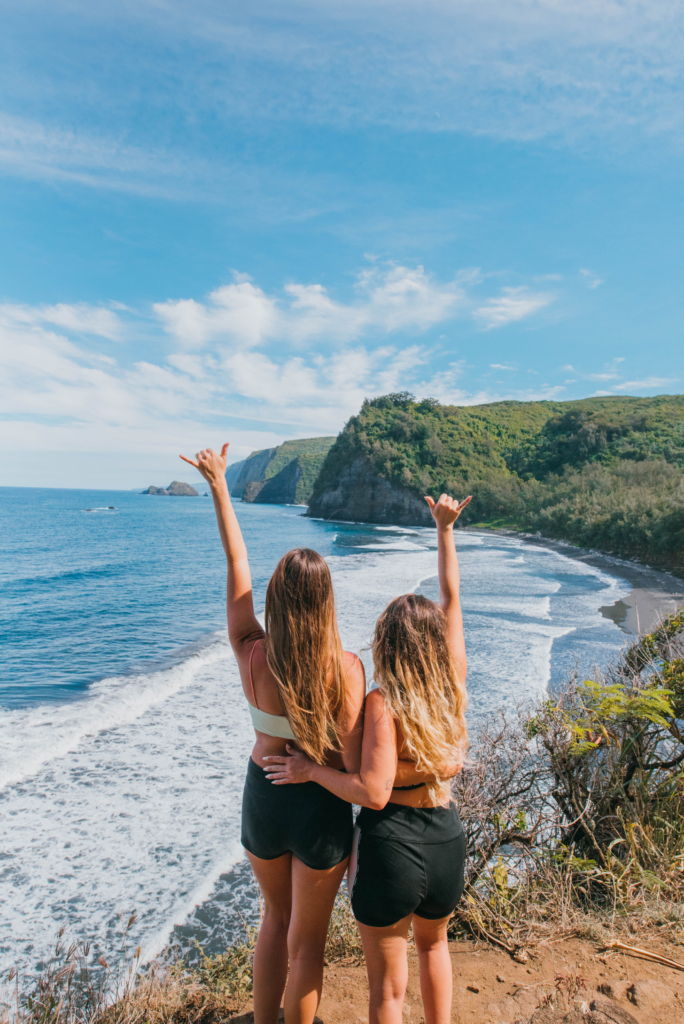
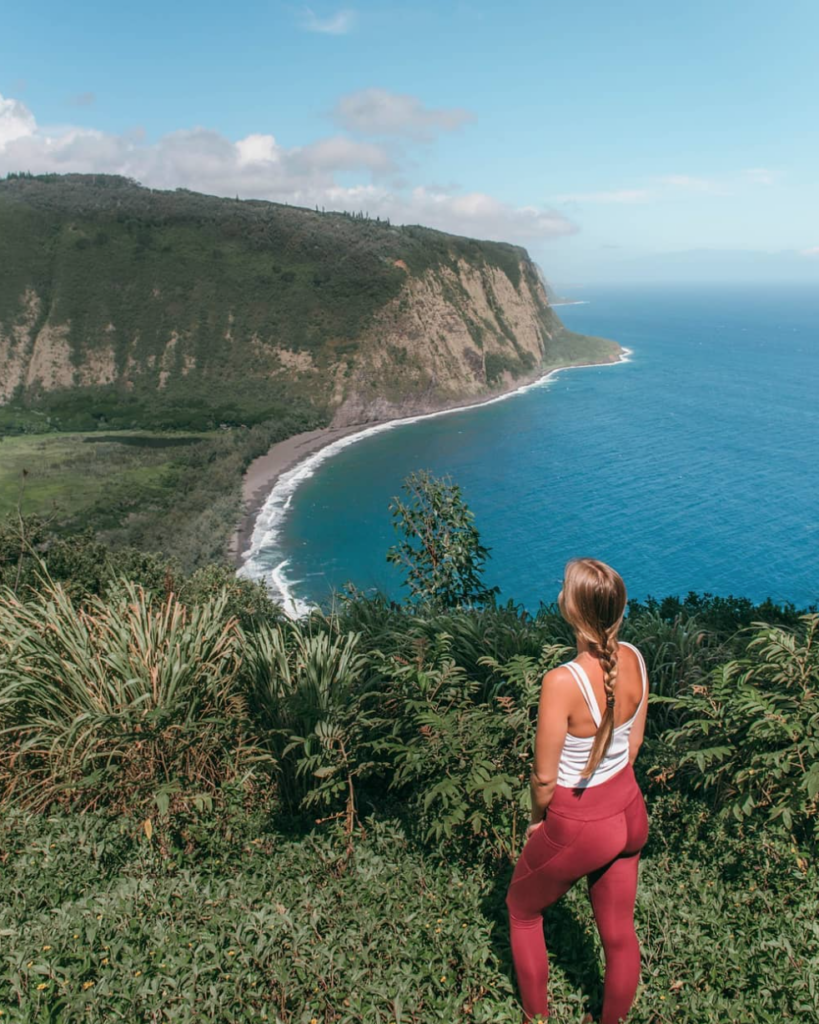
Pololu Valley is one of the most scenic viewpoints on the island. The hike down is short but steep. At the bottom, you’ll find a rugged black sand beach backed by cliffs. Swimming isn’t recommended due to strong currents, but the landscape alone makes it worth the effort.
If you don’t feel like hiking, the lookout at the top is still worth stopping for. It gives you a full view of the valley, the coastline, and the dramatic cliffs without the climb. Try to go early in the morning or closer to sunset when the lighting is softer and the crowds are smaller—it makes the whole place feel more peaceful and less rushed.
Waipi’o Valley: Worth the Effort
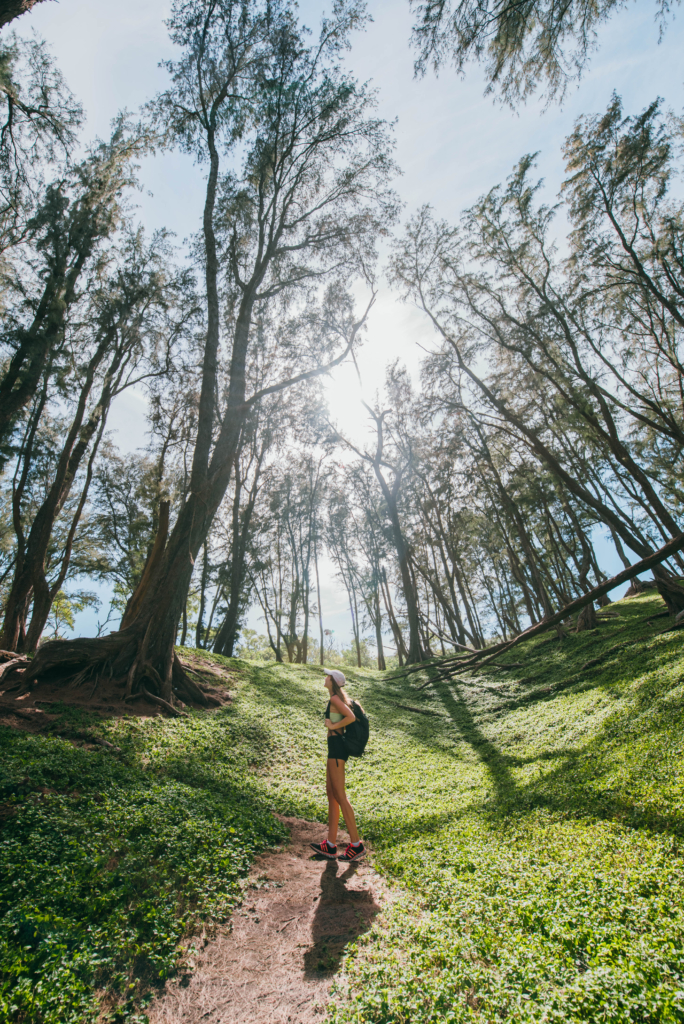
Waipio Valley is one of the most dramatic places on the island. Massive cliffs rise over 2,000 feet, waterfalls drop into the valley, and a black sand beach stretches along the coast.
The hike down follows one of the steepest paved roads in the U.S.
- Going down feels like walking stairs
- Coming up feels like a workout you didn’t train for
If you do make it down, take your time exploring the valley floor. You’ll pass streams, tropical vegetation, and wide open views that feel completely removed from the rest of the island. Just keep in mind that access rules can change, and some areas are privately owned, so always respect posted signs and stay on allowed paths.
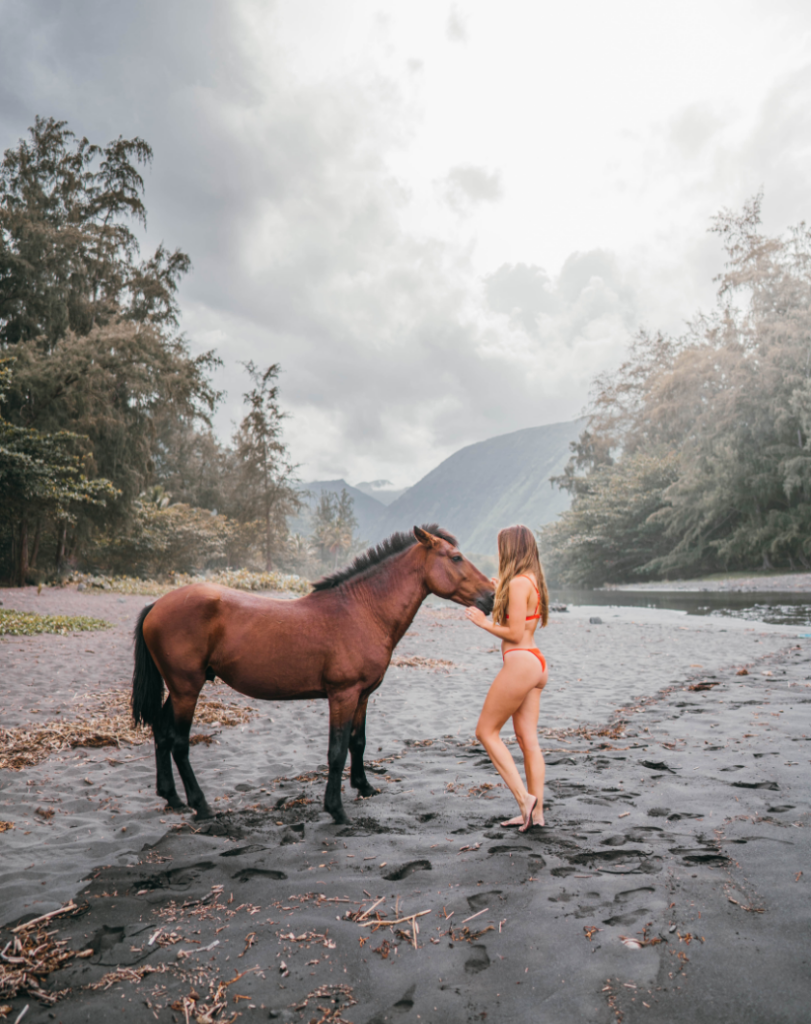
Note: Waipio Valley is home to around 70 horses who roam freely and are often spotted near the river. While they are wild, they aren’t shy around humans and occasionally will come up to you, especially if you have carrots or apples to offer. Just be careful and always respect their space—these are still wild animals.
For more information and answers to common questions about hiking Waipio Valley, check out my article ‘The Ultimate Guide To The Waipio Valley Hike‘.
Horseback Riding on the North Side (Kohala Coast)
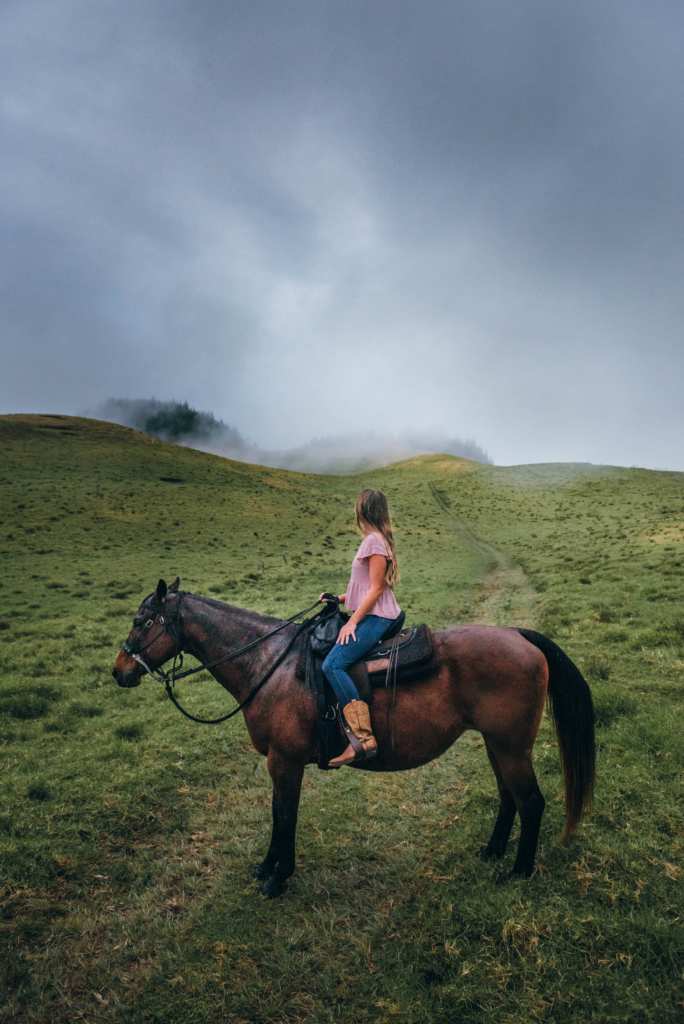
The northern Kohala Coast offers a completely different experience from the rest of the island—rolling green pastures, ocean cliffs, and wide-open ranch land.
One of the best ways to see this side of the island is on horseback with Paniolo Adventures. This experience gives you a look into Hawaii’s paniolo (cowboy) culture, which has deep roots on the Big Island.
Rides typically pass through private ranch lands with ocean views, grazing cattle, and wide valleys that feel untouched. It’s slower-paced compared to beach or volcano activities, but that’s exactly what makes it special.
Best Beaches on the Big Island
The island isn’t known for endless white sand beaches—but the ones it has are worth the effort.
Punalu’u Black Sand Beach
Punaluʻu Black Sand Beach is one of the most unique beaches you’ll visit. The black sand comes from volcanic activity, and it’s common to see endangered Hawksbill Turtles and Green Sea Turtles resting here.
Rules to follow:
- Stay at least 15 feet away from turtles
- Don’t take sand or rocks (it’s illegal and culturally discouraged)
There are also freshwater springs beneath the surface, which you might feel while swimming.
Kua Bay (Maniniʻowali Beach)
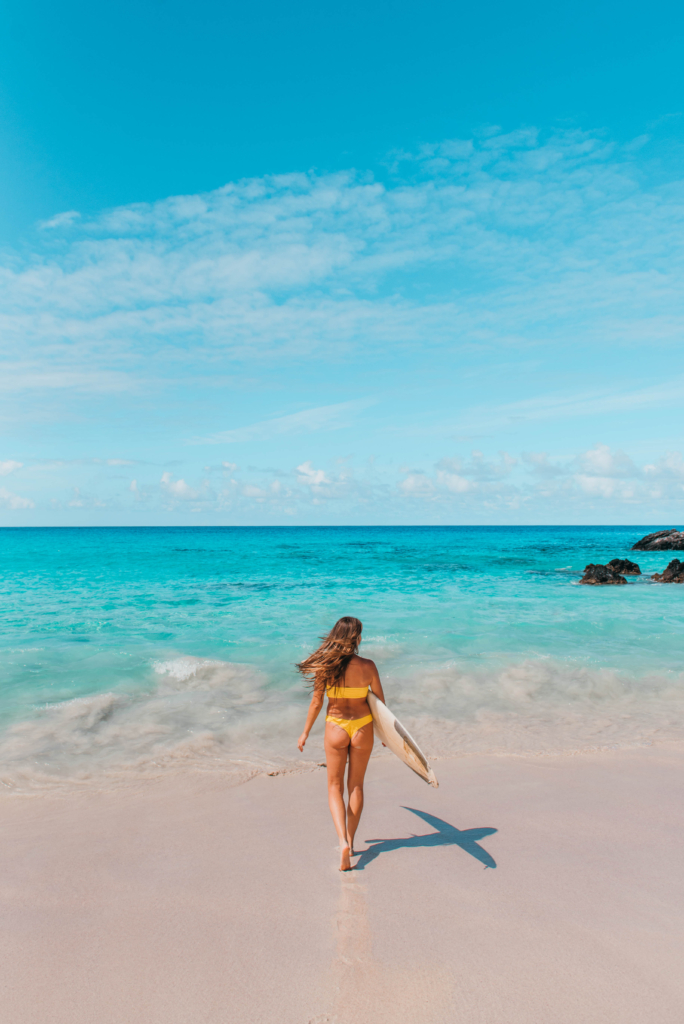
Kua Bay is one of the best white sand beaches on the island. Clear turquoise water, soft sand, and good conditions for swimming make it a favorite. Go early for easier parking.
Makalawena Beach
Makalawena Beach feels more remote because it takes effort to reach. You’ll walk across lava fields for about 20–30 minutes, but the payoff is fewer crowds and a more untouched feel. You can also drive down a dirt road that will bring you right up to the beach, but only do this if you have a 4-wheel drive SUV that’s somewhat lifted. The road is extremely rough, with deep ruts, loose rock, and uneven terrain that can easily damage lower-clearance vehicles. DO NOT ATTEMPT OTHERWISE, or you risk seriously damaging your car from the deep potholes and jagged rock scattered throughout the route. I’m serious.
Pine Trees Beach (Kohanaiki)
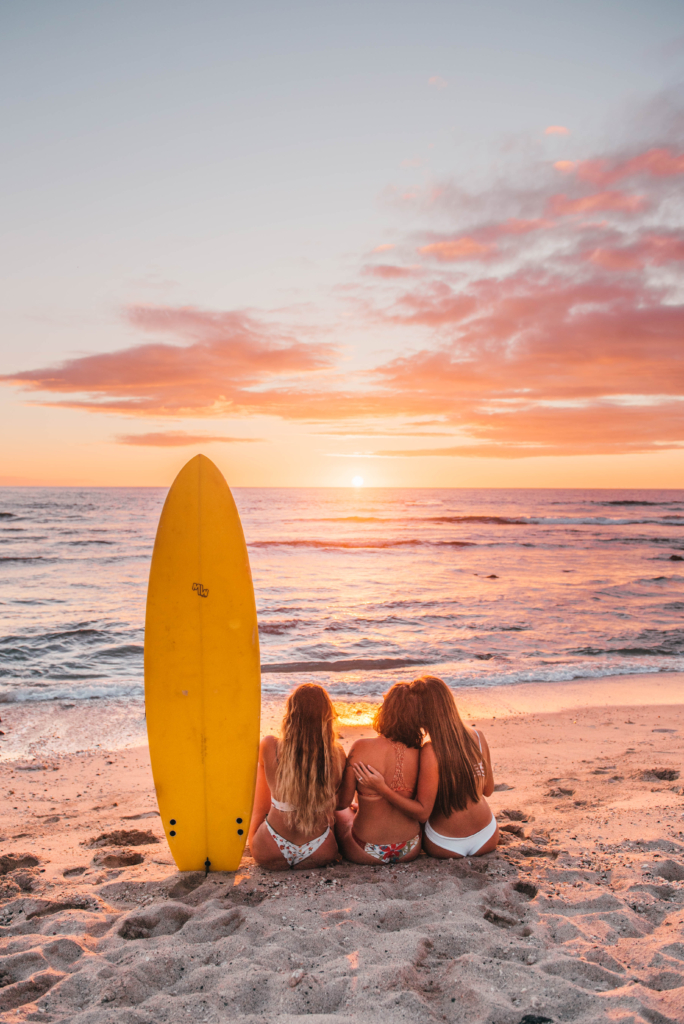
Kohanaiki Beach Park is popular with locals. It’s more rugged, often used for surfing, and a great place to watch the sunset without big crowds.
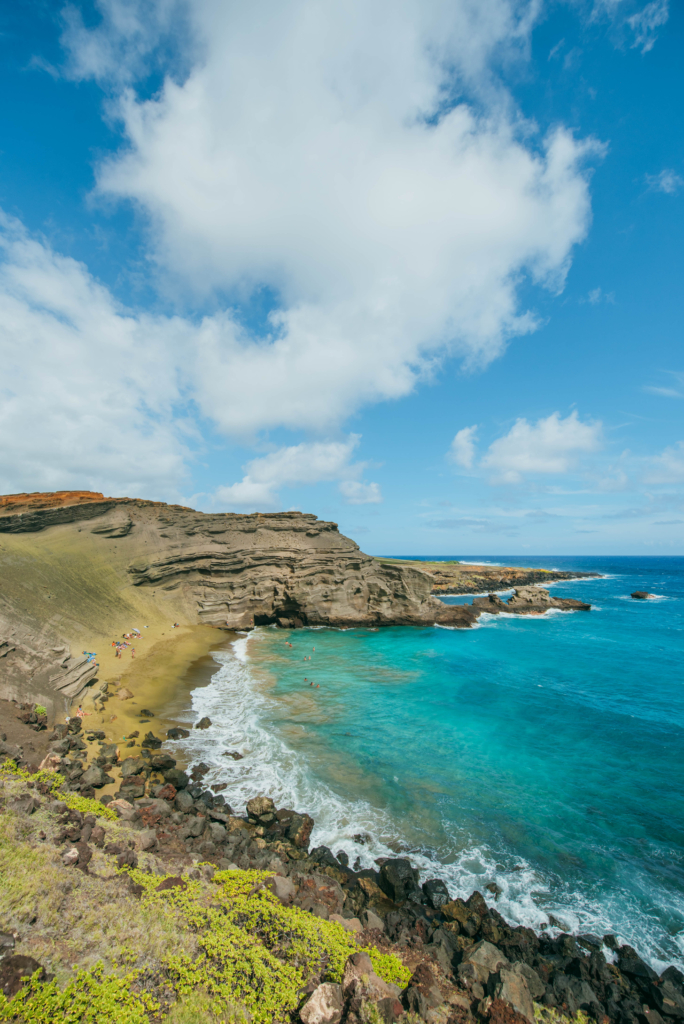
Green Sand Beach (Papakōlea or Mahana Beach)
Papakōlea Green Sand Beach is one of only a few green sand beaches in the world. The color comes from olivine crystals formed in volcanic eruptions.
Getting there takes effort:
- A long hike (around 2.5 miles each way), or
- A ride with local drivers (unofficial but common). Locals often are there with their trucks at the main parking lot and will give you a ride for a price. Last time I visited, it was $15 each (cash) but this can change so bring enough money. You’ll also sit in the back of a truck most likely and it’s very dusty, so bring a face cover.
Do not drive your rental car—the road is rough and not allowed by most rental companies.
Cliff Jumping at South Point
Ka Lae is the southernmost point in the United States. Some people come here for cliff jumping from heights of 40–50 feet. For thrillseekers, South Point is the perfect place for cliff jumping 40 to 50 feet into the ocean.
Only attempt this if:
- The ocean is calm
- The skies are clear
- The water visibility is good
- You’re experienced with high jumps
Conditions can change quickly, and injuries are possible, so be careful.
Whether you’re a daredevil or not, South Point is a must-see location. The beautiful drive-through farmland and the tower cliffs offer a unique perspective of the island. Plus, if you go during the winter, you might even see dolphins or whales off the coast!
Hapuna Beach (One of the Best on the Island)
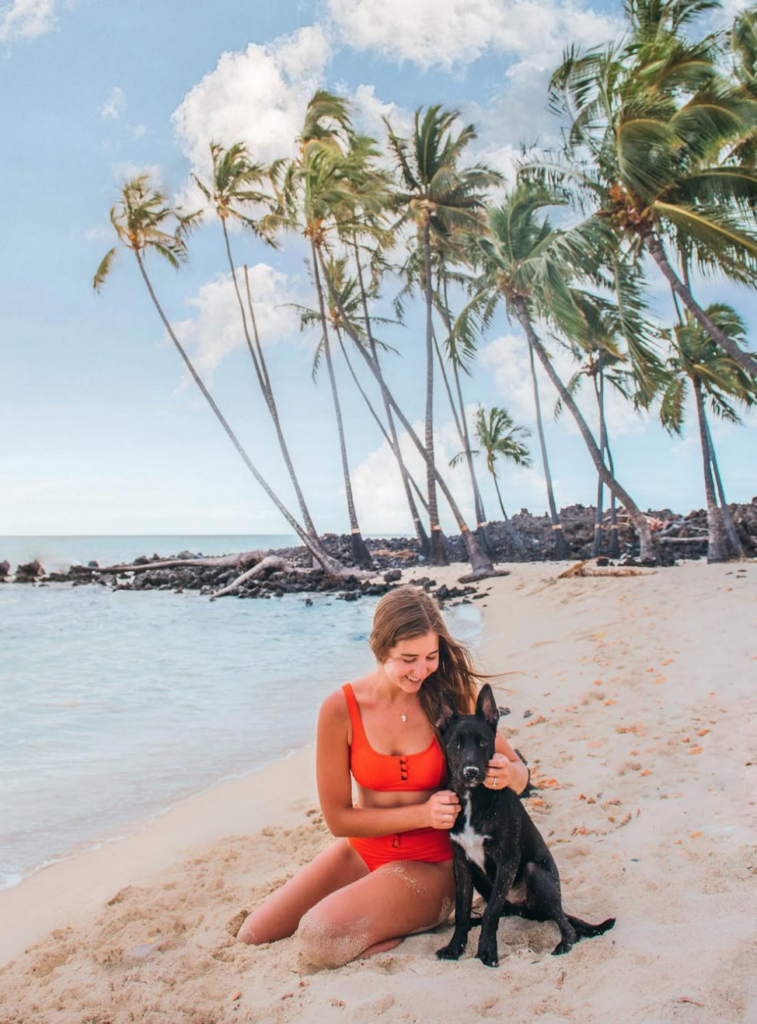
Hapuna Beach State Recreation Area is often considered the best all-around white sand beach on the Big Island.
It has:
- Long stretches of soft sand
- Clear turquoise water
- Good swimming conditions (most of the year)
It’s more developed than remote beaches like Makalawena, but that also makes it easier—lifeguards, restrooms, and parking are available. Go early because it fills up quickly, especially on weekends.
Where to Eat on the Big Island (Food Guide)
Food on the Big Island is simple, fresh, and heavily seafood-focused. These are some standout spots worth planning around:
Best Poke on the Island
Umeke’s Fish Market Bar & Grill is widely known for serving some of the best poke bowls on the island. The fish is fresh, portions are generous, and flavors are simple but well-balanced.
Best Fish and Chips
Harbor House Restaurant is a go-to for crispy, well-seasoned fish and chips with a laid-back harbor view. It’s a solid stop after exploring the Kohala Coast or Hapuna Beach.
Best Brunch Spot
Island Lava Java is a popular brunch stop in Kona. Expect coffee, smoothie bowls, pancakes, and ocean views. It’s busy, but the location makes it worth it.
Unique Experiences on the Big Island: Stargazing to Coffee Farms
Visit Mauna Kea for sunset and stargazing
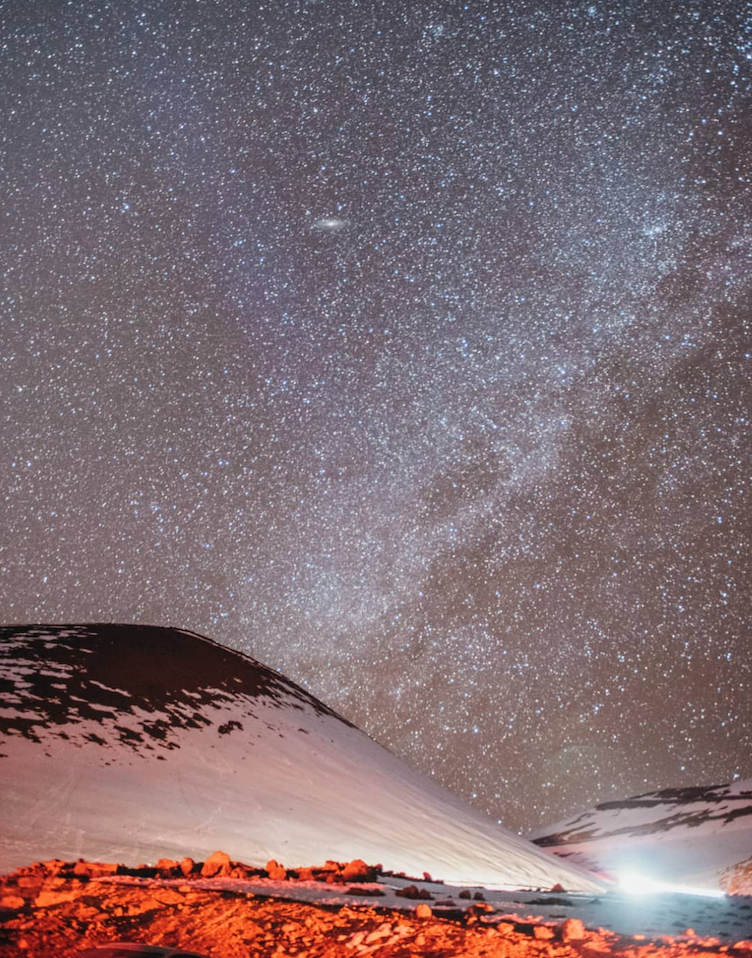
Mauna Kea is one of the best stargazing spots in the world. At nearly 14,000 feet above sea level, you’re above the clouds. Sunset here is unreal, and once it gets dark, the sky is packed with stars.
Know before you go:
- 4 wheel drive is required for the summit
- It gets very cold—bring layers
- Take time to adjust to the altitude
Tour a Kona Coffee Farm
Coffee lovers should visit a farm like Greenwell Farms. You’ll learn how Kona coffee is grown, harvested, and processed. Most tours are free and include tastings, which makes it an easy stop to add to your day.
Helicopter Tour Over the Island
If it fits your budget, a helicopter tour gives you access to parts of the island you can’t reach on foot.
You’ll see:
- Hidden waterfalls
- Lava fields
- Remote valleys
It’s expensive, but it gives you a completely different perspective of the island.
Surf and Chill in Kona
Kailua-Kona is the best base for surf lessons and beach days. Even if you don’t surf, spending time by the water here—especially at sunset—is one of the simplest ways to enjoy the island.
Drinks and Nightlife in Kona
The Big Island isn’t known for nightlife, but Kona has a few solid spots. Kona Brewing Company is a good place to start—casual, local beer, and a relaxed vibe. Most places are low-key, which fits the island’s overall pace. Humpy’s is also a fun spot with trivia on Wednesday evenings!
Try Local Food: Malasadas and Shave Ice
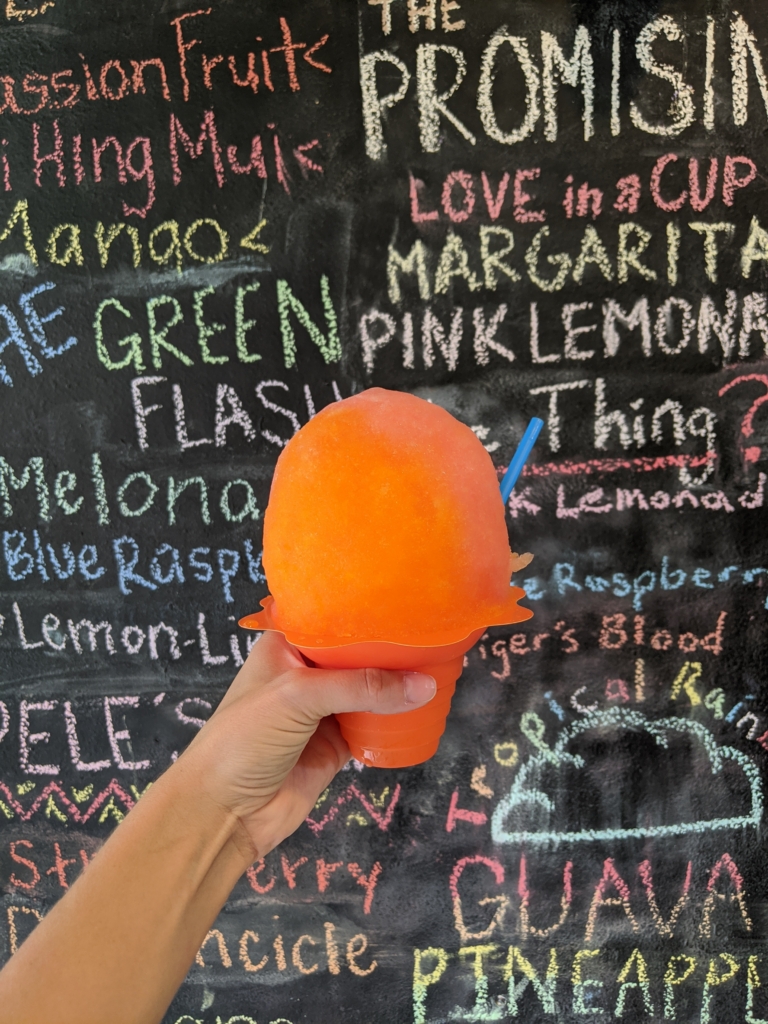
Malasadas are soft, sugar-coated donuts that are best eaten fresh. For shave ice, Scandinavian Shave Ice (Scandi’s) is a go-to spot. Unlike snow cones, Hawaiian shave ice is soft and fluffy. Many places add ice cream in the middle and and condensed milk on top.
Try local flavors like:
- Guava
- Mango
- Passionfruit (lilikoi)
Final Thoughts: Plan by Region
The Big Island of Hawaii isn’t the kind of place you rush through. Distances are long, the terrain changes constantly, and every part of the island feels completely different—from the lush, rainy side of Hilo to the sunny beaches around Kailua-Kona and the quiet valleys of Kohala.
Planning your trip by region—Hilo, Kona, and Kohala—makes a big difference. It cuts down on long drives and gives you more time to actually enjoy each stop instead of feeling like you’re always in transit. Even a simple change like grouping nearby activities together can turn a rushed day into a relaxed one.
What really stands out about the island is how much variety it offers. You can start your morning hiking through a rainforest, spend the afternoon snorkeling in clear water, and end your day watching the sunset above the clouds. Some places are easy to reach, while others take a bit more effort—but those are usually the ones you remember most.
Take your time here. Leave room in your itinerary for unexpected stops, weather changes, or places you end up liking more than planned. The Big Island rewards curiosity more than strict schedules.
If you’re planning your trip and want more detailed guides, itineraries, and personal tips, you can check out more of my Big Island blogs on my website to help you map everything out.


Leave A Comment