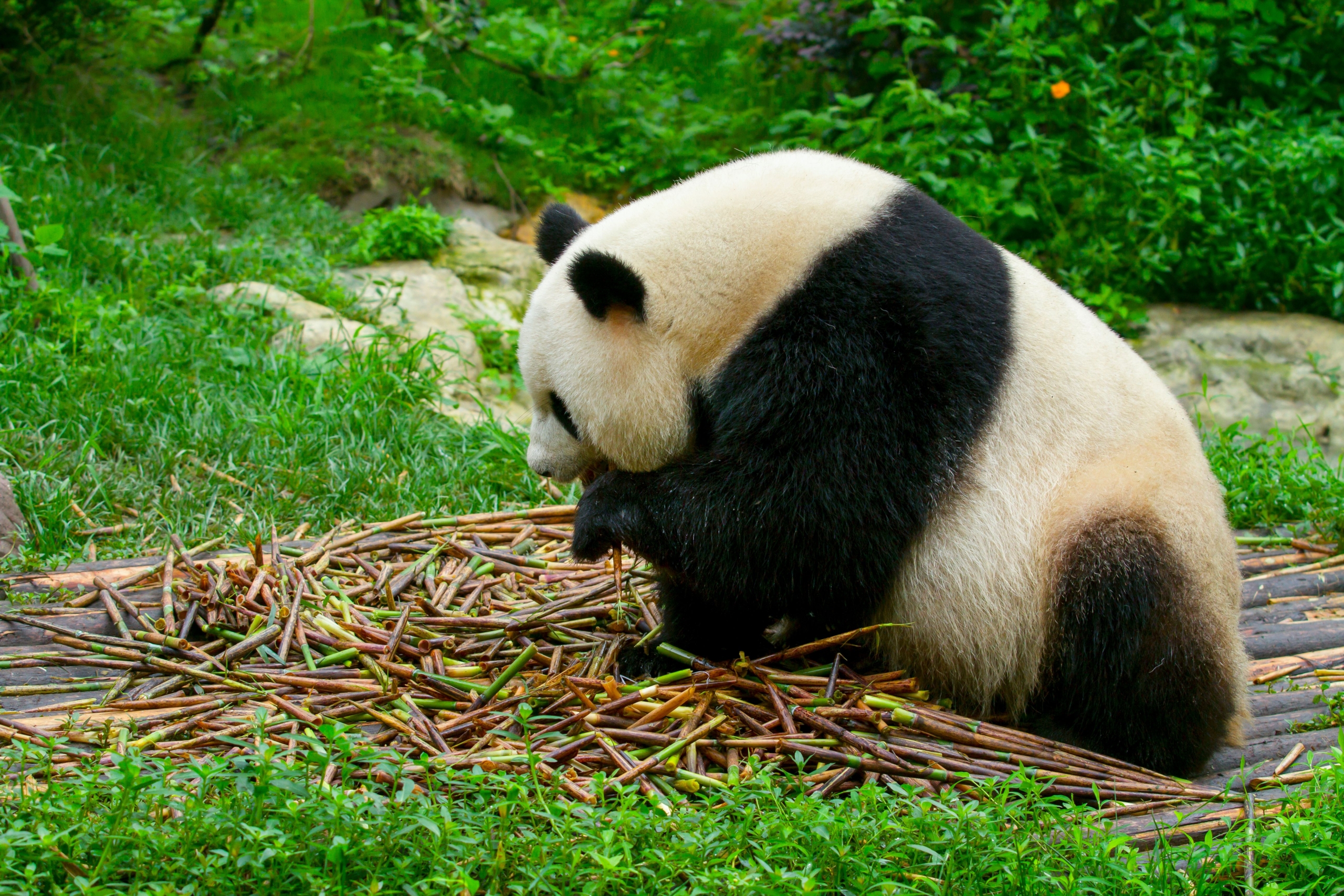
A trip to Chengdu, China, would not be complete without visiting the Chengdu Research Base of Giant Panda Breeding. Known as one of the best places to see giant pandas up close, this popular attraction offers a chance to watch these adorable animals eat, sleep, climb trees, and play.
One of the favorite experiences in Chengdu was spending time at the panda base. From young pandas exploring their surroundings to adult pandas munching on bamboo, every corner offered something worth stopping for. Even the pandas doing absolutely nothing managed to steal the show!
For anyone planning a trip to Chengdu, the Chengdu Panda Base deserves a spot near the top of the itinerary.
What Is the Chengdu Research Base of Giant Pandas?
The Chengdu Research Base of Giant Panda Breeding is a major conservation and research center in Chengdu, Sichuan Province, China. The facility focuses on giant panda breeding, scientific research, education, and conservation.
Green spaces, trees, bamboo, and outdoor enclosures create opportunities to observe pandas in carefully managed habitats. Visitors can see pandas at different stages of life, depending on the animals present and the areas open to the public.
For animal lovers and wildlife enthusiasts, the Chengdu Panda Base is one of the most memorable attractions in the city.
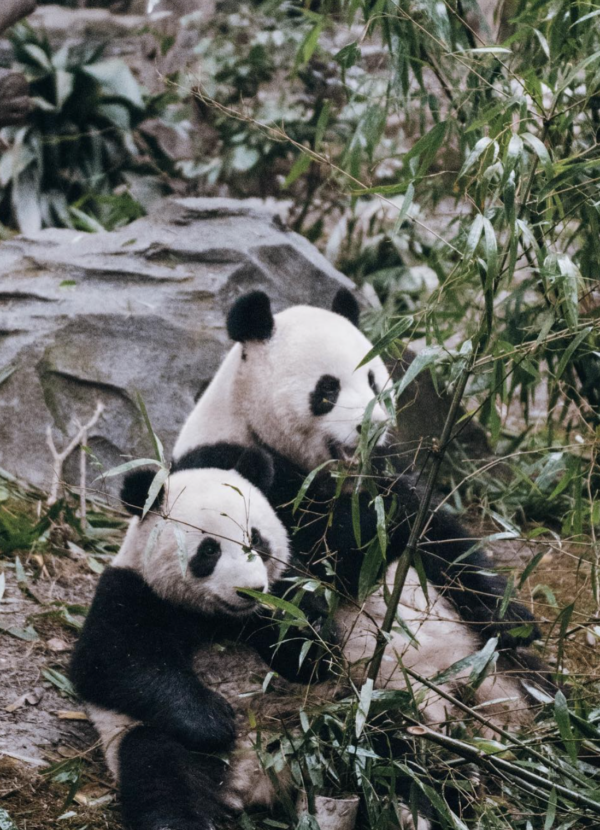
Seeing Giant Pandas Up Close
Nothing quite prepares a visitor for seeing a giant panda in person. The round faces, black-and-white fur, and slow, clumsy movements make these animals look almost unreal.
Walking through the panda base brings opportunities to observe different pandas going about their daily routines. Some sit quietly while chewing bamboo, while others stretch out on platforms or settle into comfortable spots for a nap.
Every enclosure offers something different. A panda might be climbing a tree, rolling around on the ground, or sitting upright with a fresh bundle of bamboo.
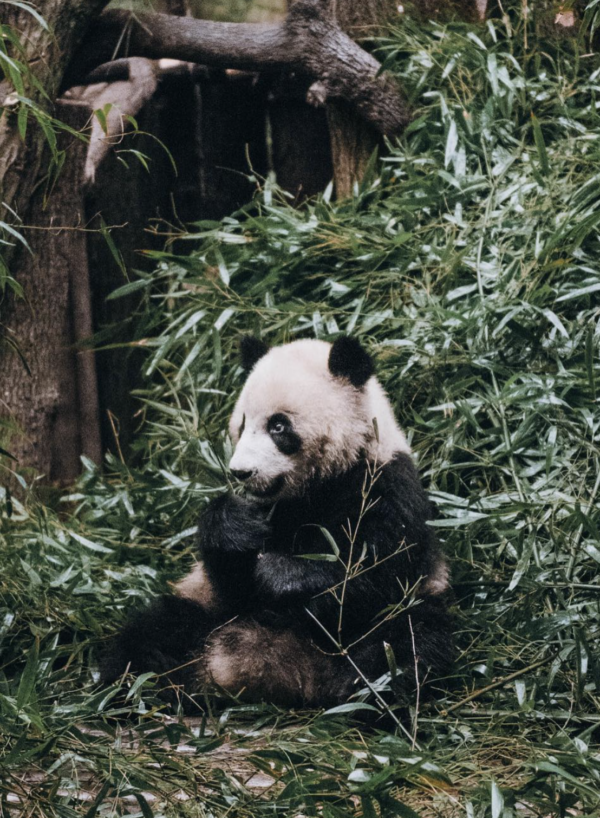
And honestly, eating seems to be a favorite activity! Giant pandas spend much of the day feeding, making bamboo-chewing sessions one of the most common sights at the base. Watching a panda hold bamboo between its paws and munch away is surprisingly entertaining.
Even a simple meal becomes a photo-worthy moment.
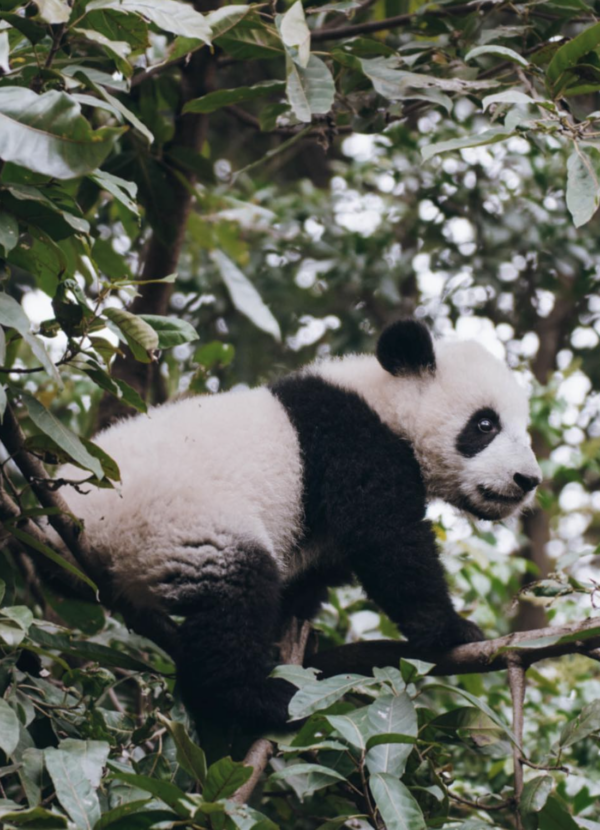
Pandas of Different Ages
One of the highlights of visiting the Chengdu Research Base of Giant Pandas is the chance to see pandas at different ages.
Adult pandas are impressive because of their size, distinctive markings, and relaxed personalities. Many can be found sitting near bamboo, resting on platforms, or wandering around their enclosures.
Younger pandas often attract just as much attention. Curious movements, playful behavior, and attempts to climb make these animals especially fun to watch.
Depending on the season and viewing arrangements, visitors may also see panda cubs and younger animals under specialized care. Nursing and early development are important parts of panda conservation, although these behaviors are not guaranteed during every visit.
Watching younger pandas climb, tumble, and explore makes the experience even more memorable.
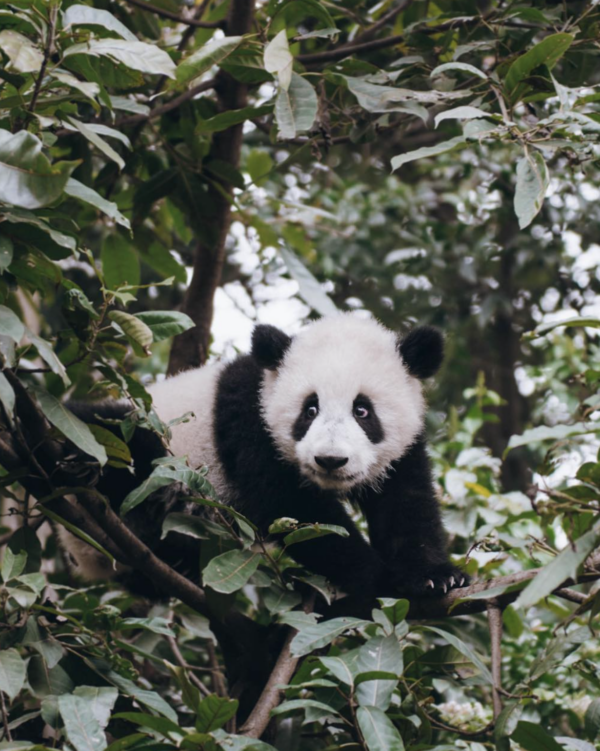
Watching Pandas Eat, Sleep, Climb, and Play
A visit to the Chengdu Panda Base is a reminder that wildlife watching does not always involve dramatic action. Sometimes, the simplest moments are the most enjoyable.
- Eating bamboo: Panda feeding sessions are among the most entertaining sights. Watching the animals select bamboo, hold the stalks with their paws, and chew through the leaves can easily keep visitors watching for several minutes.
- Sleeping in the shade: Sleeping pandas are a common sight. Some curl up on wooden platforms, while others stretch out across branches or lie comfortably on the ground.
- Climbing trees: Watching a panda work its way up a tree or settle onto a branch makes for a memorable sight, especially when younger pandas are involved.
- Playing with other pandas: Younger animals may wrestle, tumble, or interact playfully with one another.
- Drinking and nursing: These behaviors may occasionally be visible, depending on the pandas present and the viewing areas available.
Not every activity happens at once, and patience is part of the experience. Still, even a panda sitting quietly with a mouthful of bamboo can be ridiculously adorable.
Best Time to Visit the Chengdu Panda Base
Early morning is generally the best time to visit. Pandas tend to be more active during cooler parts of the day, particularly around feeding periods. Later in the day, warmer temperatures and natural resting patterns can mean more sleeping pandas.
Spring and autumn are popular seasons for exploring Chengdu because of the generally milder weather. Summer visits can also be enjoyable, although hot and humid conditions may affect panda activity.
Before visiting, check the official Chengdu Panda Base website for current opening hours, ticket information, and visitor guidelines.
Tips for Visiting the Chengdu Research Base of Giant Pandas
A little planning can make the experience even better.
- Arrive early: Morning visits generally offer better opportunities to see active pandas.
- Bring a camera: Panda expressions, feeding sessions, and playful moments provide plenty of photo opportunities.
- Wear comfortable shoes: Expect considerable walking throughout the grounds.
- Be patient: Some pandas may spend much of the visit sleeping.
- Follow visitor rules: Respect barriers, avoid disturbing the animals, and follow staff instructions.
- Check official updates: Confirm ticket arrangements and opening hours before traveling.
Taking time to observe individual pandas makes the visit feel less like checking off an attraction and more like enjoying a genuine wildlife experience.
Final Thoughts: Is the Chengdu Panda Base Worth Visiting?
Absolutely! The Chengdu Research Base of Giant Panda Breeding is one of the best things to do in Chengdu, China, especially for animal lovers and first-time visitors. From pandas munching on bamboo and sleeping in the shade to younger pandas climbing trees and playing together, every moment offers something adorable to watch. Even when most pandas are busy eating or napping, their cute faces and funny movements make the visit worthwhile.
Beyond the adorable encounters, the panda base also offers a closer look at the conservation efforts protecting one of China’s most beloved animals.
Planning a trip to Chengdu? Check out this blog’s guide to the top 15 things to do in Chengdu for more attractions, local experiences, and travel ideas to add to the itinerary!










Leave A Comment