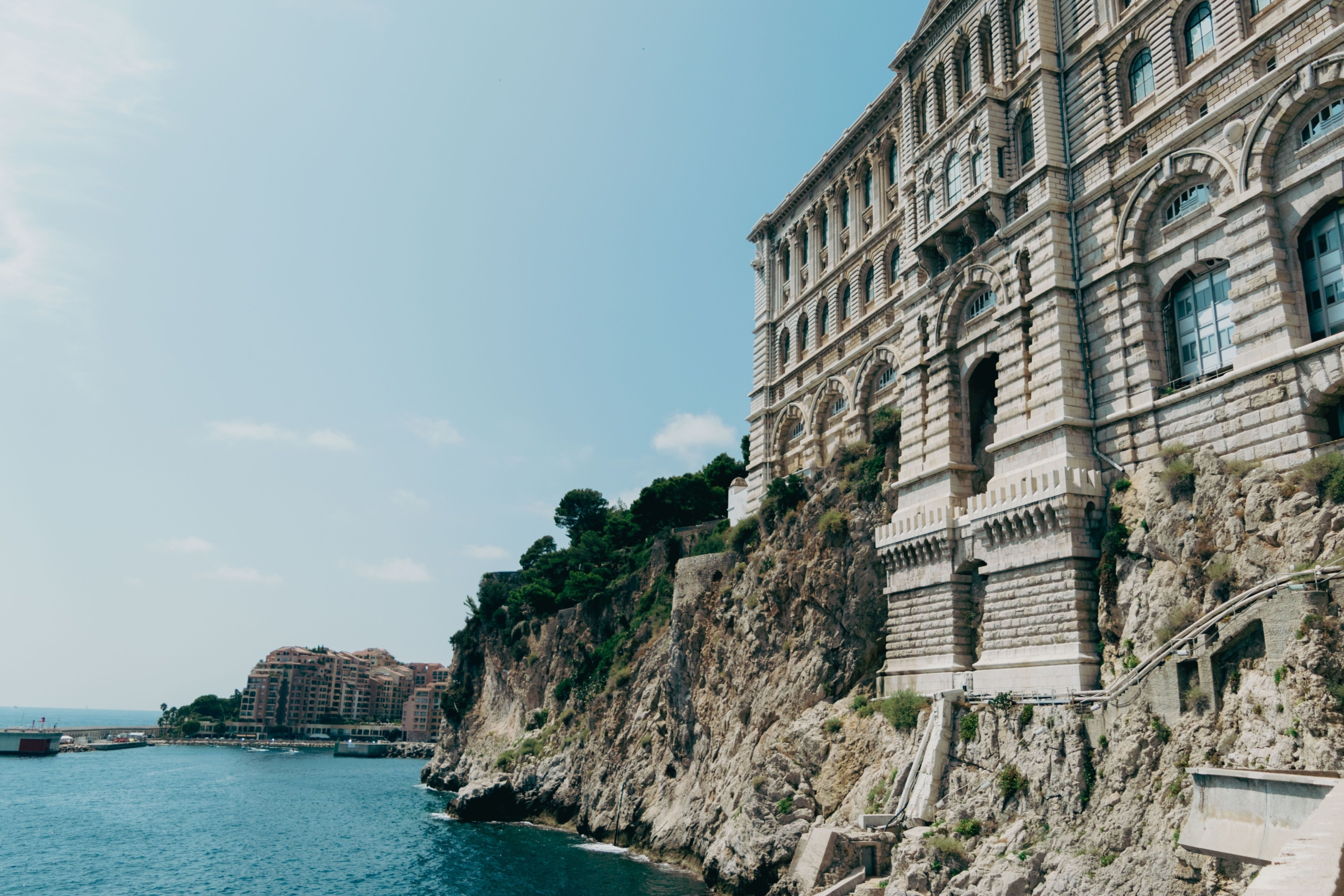
The Oceanographic Museum of Monaco is one of the most interesting places to visit in Monaco, especially for travelers who want to experience something beyond the famous casinos, luxury hotels, and Formula 1 circuit. Set dramatically on a cliff above the Mediterranean Sea, the museum combines marine science, history, aquariums, and interactive exhibits in one impressive location.
Founded by Prince Albert I of Monaco, the Oceanographic Museum has a long connection with ocean exploration and marine research. Today, it remains one of the principality’s major attractions and offers visitors a chance to learn about marine life while enjoying spectacular views of the Mediterranean.
For anyone planning a Monaco itinerary, the museum is worth adding to the list, particularly if there is enough time to explore Monaco beyond the main attractions.
Where Is the Oceanographic Museum of Monaco?
The Oceanographic Museum is located in Monaco-Ville, the historic district of Monaco that sits on the Rock overlooking the Mediterranean. Its location is one of its biggest attractions. From outside the building, visitors can enjoy wide views of the sea and the surrounding coastline.
The museum is also close to several other popular attractions in Monaco-Ville, making it easy to include in a walking itinerary. The Prince’s Palace, Monaco Cathedral, and the narrow streets of the Old Town are all within the same general area.
Because Monaco is compact, the museum can be reached on foot from many parts of the principality. However, some routes involve steep streets and stairs, so comfortable walking shoes are recommended.
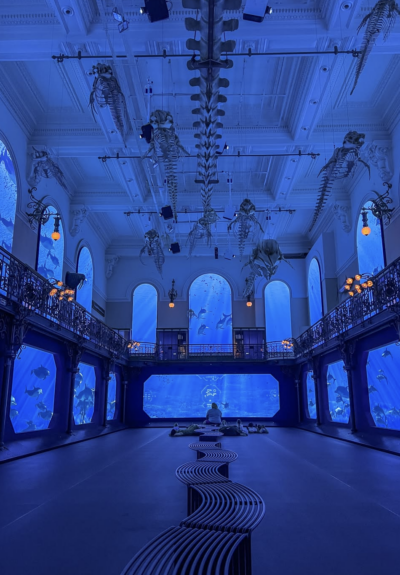
A Museum Founded by Prince Albert I
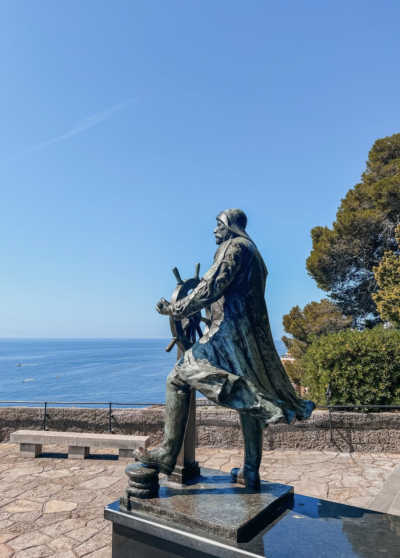
The Oceanographic Museum was founded by Prince Albert I, who had a strong interest in oceanography and marine exploration. His passion for the sea played an important role in the development of Monaco's scientific work.
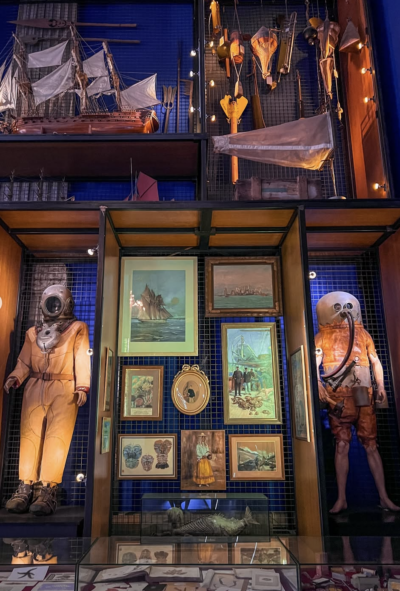
The museum was created as a place dedicated to studying and sharing knowledge about the ocean. Its impressive building reflects the importance given to marine science, while its exhibitions help visitors understand the relationship between humans and the sea.
This history makes the museum more than simply an aquarium. It is also a place where visitors can learn about ocean exploration, marine ecosystems, and the scientific work connected to the Mediterranean and other parts of the world's oceans.

What to See Inside the Oceanographic Museum
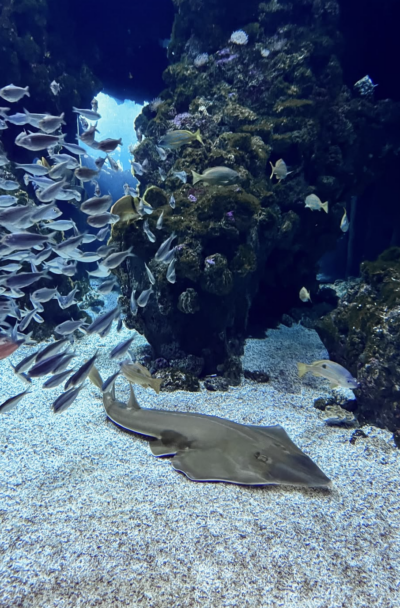
One of the biggest highlights is the aquarium section. The aquariums contain a variety of marine species, colorful fish, coral reefs, and other sea creatures.
The exhibits are particularly enjoyable for visitors who appreciate marine life because there is plenty to see at different points throughout the museum.
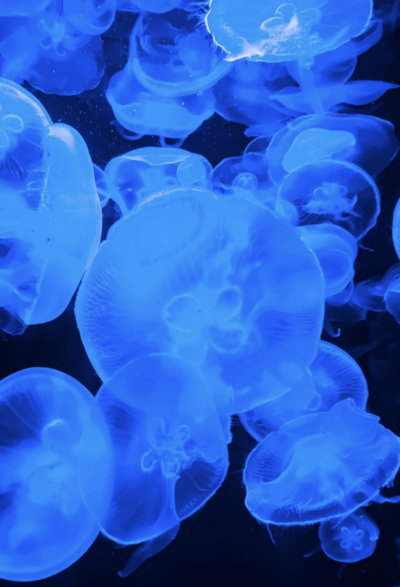
The jellyfish displays are among the most visually interesting parts of the aquarium. Their slow movements and translucent bodies create an almost hypnotic effect, especially when viewed under the aquarium lighting.
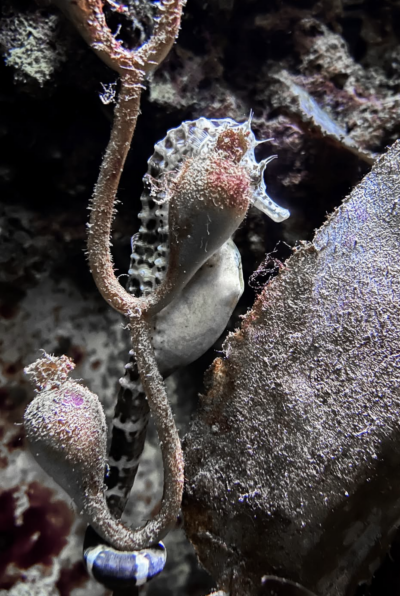
On the other hand, the seahorse exhibits are another highlight. These small marine animals are easy to miss in the ocean because of their size and unusual appearance, but seeing them up close makes it easier to appreciate their unique features. Seahorses are particularly interesting to see in person especiacially because the males carry the developing young, which is unusual among animals.
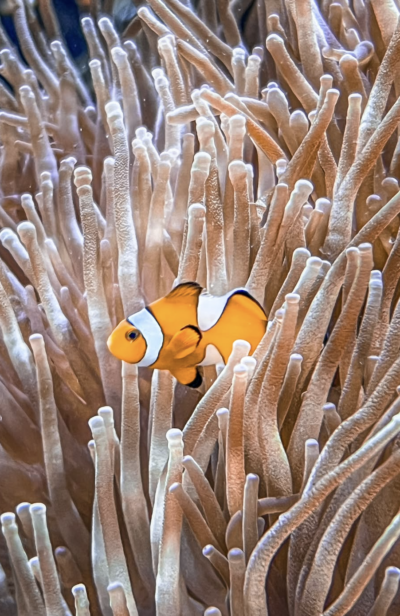
Colorful clownfish and coral reef displays add another lively part to the aquarium experience. Their bright colors make them popular with visitors, while the surrounding reef environments provide an opportunity to see how different marine species interact within an ecosystem.
For families, children, and anyone interested in underwater photography, these aquarium areas can be some of the most enjoyable sections of the museum.
2050 Odyssey: A Look at the Future of the Ocean
One of the most interesting experiences featured at the museum is 2050 Odyssey, an immersive exhibition focused on the future of the oceans.
Rather than simply presenting information on traditional display panels, the experience creates the feeling of traveling underwater in a submarine. The concept allows visitors to imagine what it might be like to explore the Mediterranean in the future.
The exhibition also focuses on an important question: what could the oceans look like by 2050 depending on the decisions made today?
This makes the experience particularly relevant because it connects marine science with everyday choices and environmental responsibility. Issues affecting the oceans can feel distant when discussed in abstract terms, but an immersive experience can make those issues easier to understand.
For visitors already interested in climate change, marine conservation, and the future of the Mediterranean, 2050 Odyssey adds another layer to the museum visit.
How Long Should Be Spent at the Museum?
The amount of time needed depends on how deeply the exhibitions are explored. Travelers making a quick visit can see the main aquarium areas and exhibits in a relatively short amount of time, while those who enjoy reading displays and taking their time can easily spend several hours inside.
Around two to three hours is a useful amount of time to allow for a comfortable visit without rushing. More time may be worthwhile for visitors who want to explore the exhibitions in greater detail.
The museum also works well as part of a larger Monaco-Ville itinerary. A visit can be combined with the Prince's Palace, Monaco Cathedral, the Old Town, and nearby viewpoints.
Best Time to Visit the Oceanographic Museum
The museum can be visited throughout the year, making it a useful attraction for different types of Monaco trips. It is also a good option when the weather is less suitable for spending the entire day outdoors.
During busy travel periods, visiting earlier in the day can make it easier to explore the museum at a comfortable pace. Checking the museum's current opening hours, ticket prices, and temporary exhibitions before visiting is recommended because schedules and exhibitions can change.
It is also worth checking whether any special exhibitions or events are taking place during the planned visit.
Tips for Visiting the Oceanographic Museum of Monaco
A few simple tips can make the experience easier:
- Wear comfortable shoes. Monaco-Ville has steep streets, stairs, and uneven paths.
- Allow at least two hours. This gives enough time to enjoy the aquarium and major exhibitions without rushing.
- Check temporary exhibitions. Special experiences such as 2050 Odyssey may have specific details or schedules.
- Combine the visit with Monaco-Ville. The museum is close to several major attractions, making it easy to include in a walking route.
- Bring a camera. The museum’s cliffside location offers beautiful Mediterranean views and plenty of photo opportunities. For a closer look at the visit and the views, check out our Instagram post.
- Check current information before going. Opening times, admission fees, and exhibitions can change.
Is the Oceanographic Museum Worth Visiting?
The Oceanographic Museum of Monaco is worth visiting for more than its impressive location. Its combination of aquariums, marine life, oceanographic history, and immersive experiences makes it one of the most distinctive attractions in the principality.
The colorful fish, jellyfish, seahorses, and coral reef displays offer visitors a closer look at marine life, while exhibitions such as 2050 Odyssey encourage visitors to think about the future of the world’s oceans and the importance of protecting them.
For travelers planning a day in Monaco, the museum is especially convenient to include in a Monaco-Ville itinerary. After exploring the aquariums and exhibitions, visitors can continue through the historic streets, discover nearby landmarks, and enjoy views overlooking the Mediterranean.
With its dramatic setting above the sea and its focus on marine life, exploration, science, and conservation, the Oceanographic Museum offers a different side of Monaco—one that goes beyond the principality’s reputation for luxury and Formula 1.
For more travel guides, destination tips, and stories from around the world, read more of our blogs here and discover more places to add to your travel plans.



Leave A Comment